Two Markets, One Wallet: A Tale of Souks and Stalls
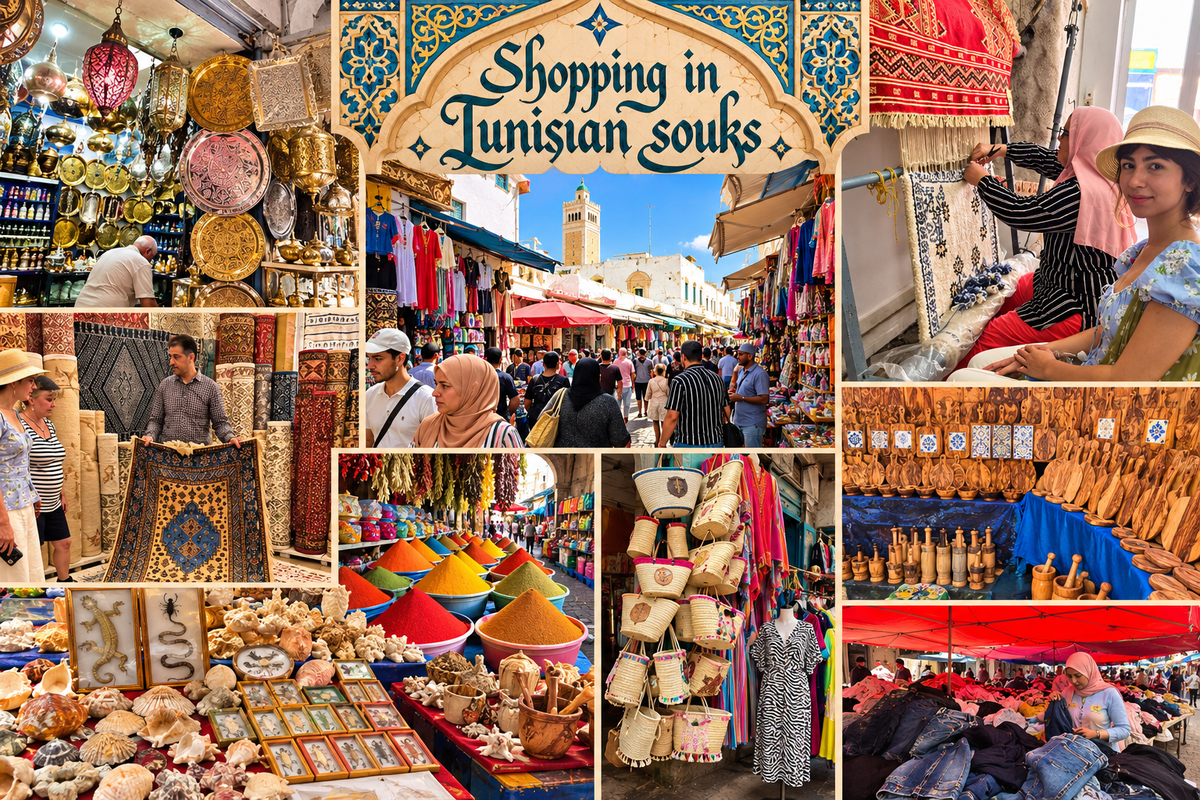
There's a moment that happens to every Brit in a Tunisian medina, usually around minute four. You've picked up a leather bag and admired it, and the stallholder has named a price that seems to have been generated by throwing darts at a calculator. You laugh nervously. He laughs warmly. And thus begins a transaction that will take longer than your flight connection.
Back home, buying a jar of artisan chutney at the Saturday market involves precisely one social interaction: "That's £6, please." You hand over your card, you say thank you, and you leave. Efficient. Dignified. Slightly soulless.
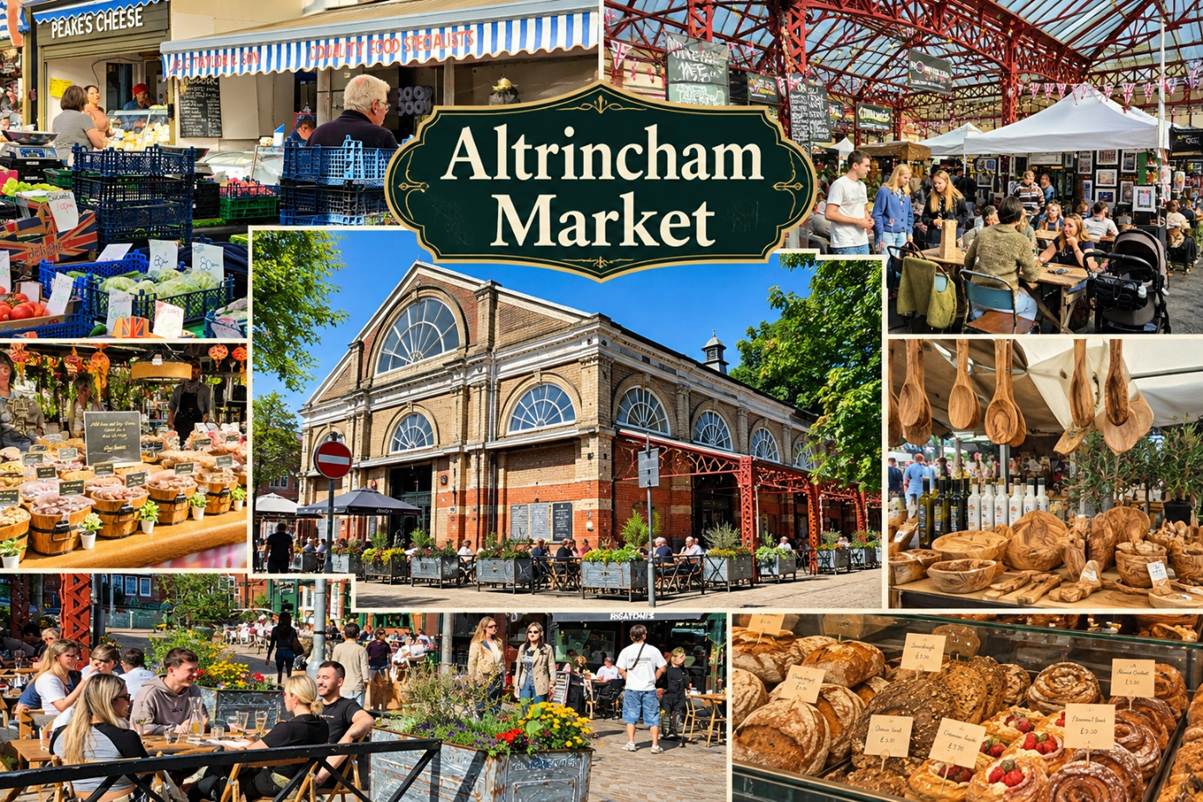
Take my own local market in Altrincham, a historic market town in South Manchester, or Cheshire if you're feeling posh about it. It's been trading out of the same dedicated building in the centre of town for generations, back when it sold the working week's meat, veg and provisions to actual working people. These days it's gone thoroughly upmarket: artisan food and drink, handmade jewellery, pottery, tastefully recycled everything, and a clientele that has swapped shopping baskets for tote bags. The price on the label is the price you pay. No theatre, no crowd, no negotiation, just a pleasant, orderly transaction.
In the souk, nothing is that simple, and nothing is meant to be. The price on day one is not a price; it's an opening bid in a negotiation that both parties understand to be theatre. You counter absurdly low. He recoils, clutching his chest as though you've insulted his grandmother. Mint tea appears from nowhere. Forty minutes later you leave with a leather bag, a new friend, and the nagging suspicion that the man three stalls down paid a third of what you did.
Case in point: the day after we arrived, we wandered into the coastal town of Hammamet and sat on a bench admiring the Mediterranean, minding our own business. Within minutes an off-duty hotel staff member recognised us and struck up a warm, polite chat about Tunisian culture. There was a textile festival on that day, he explained, and, as it happened, his sister was also getting married, and the market would shut for a fortnight after today due to local elections, which incidentally was not true. A remarkable number of things were apparently converging on this one afternoon. Before we knew it, we were being led to a carpet shop "just to watch the weaving".
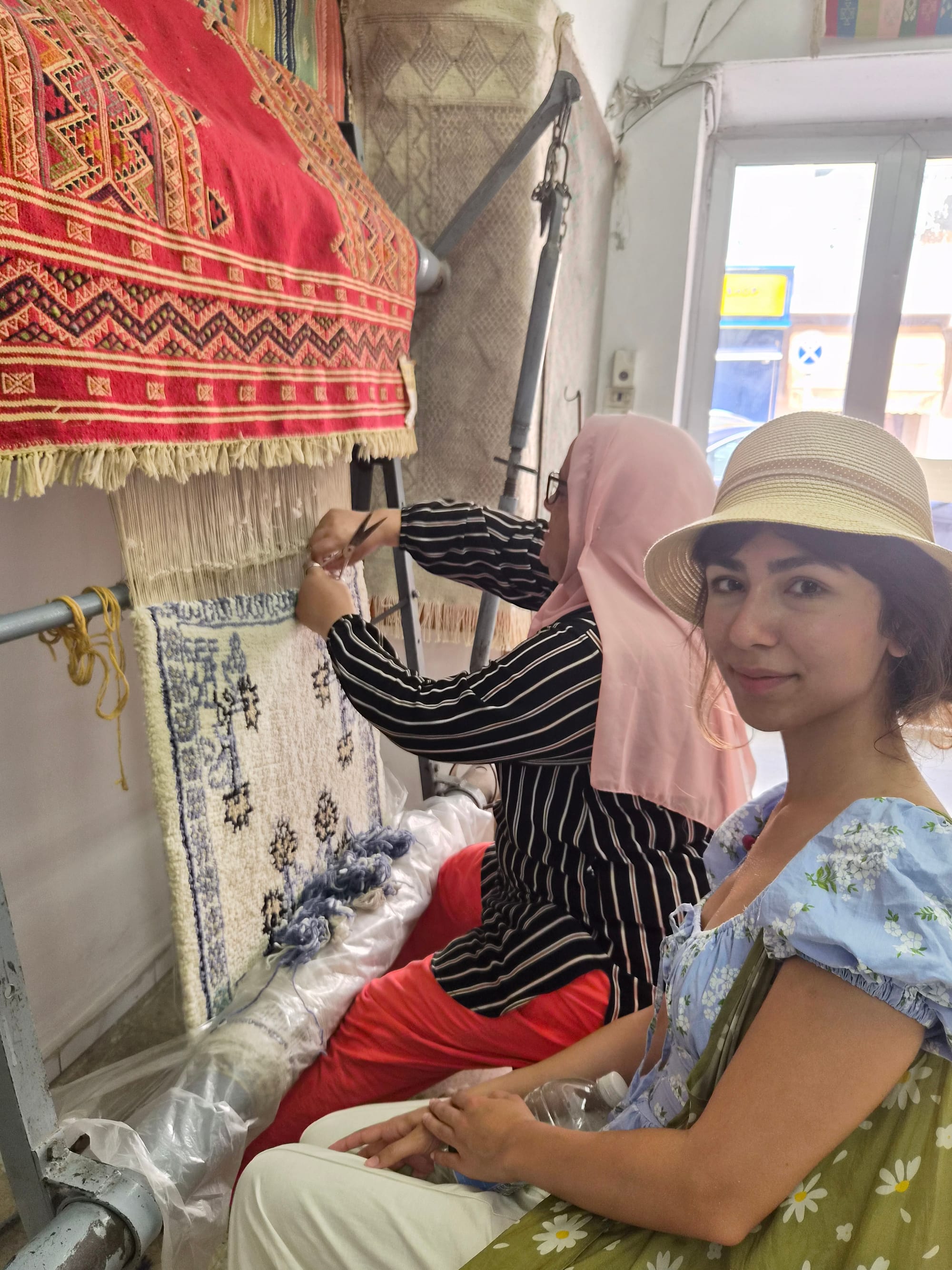
The owner greeted us in what I can only describe as his finest Oxford English. Naturally I assumed he'd lived in England. He had not. We watched, dutifully awestruck, as a lady wove away on a loom, then got chatting about life in Blighty before being ushered into a back room "with no sales pitch" to see the carpet collection. Reader, there was a sales pitch.
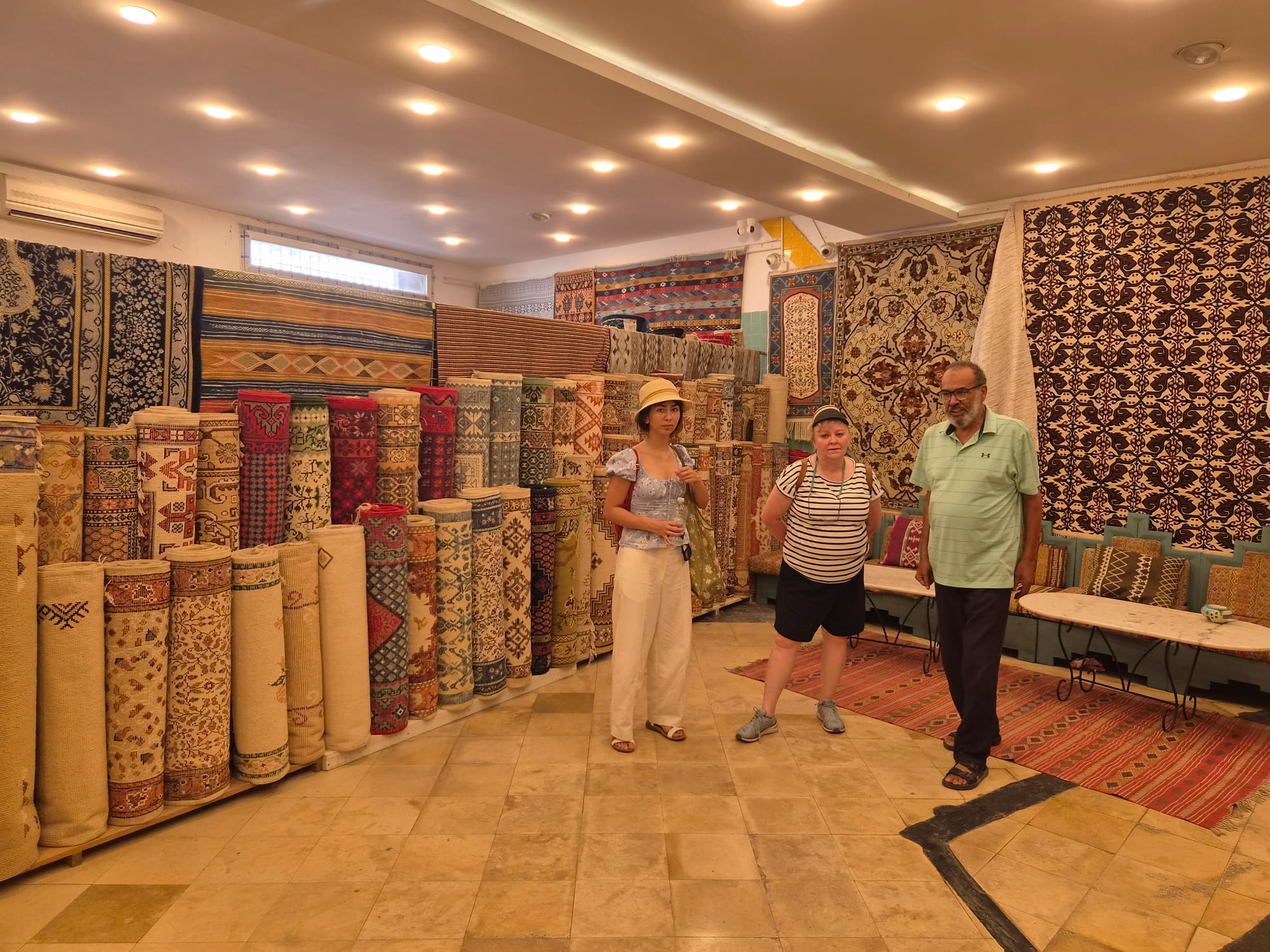
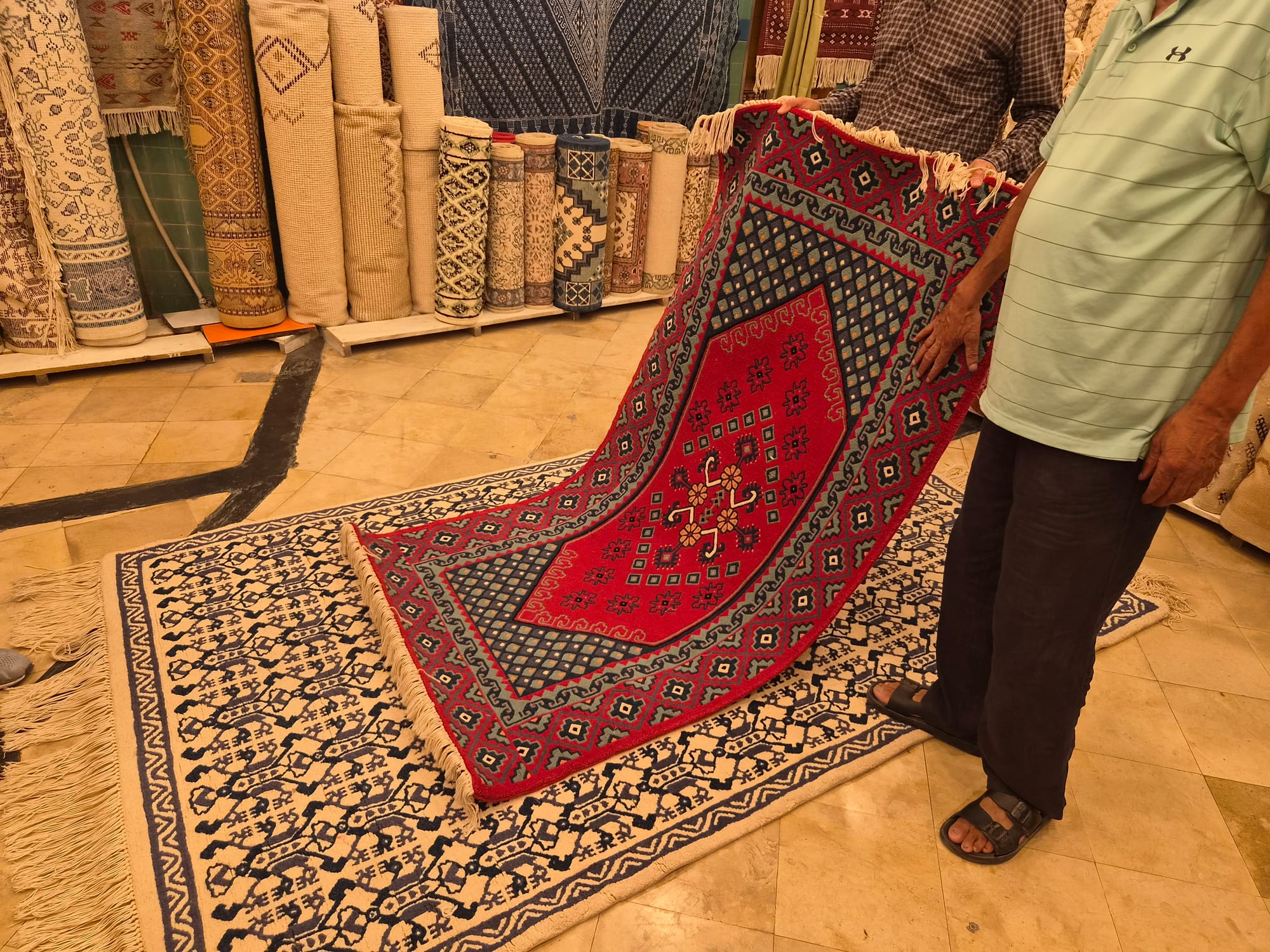
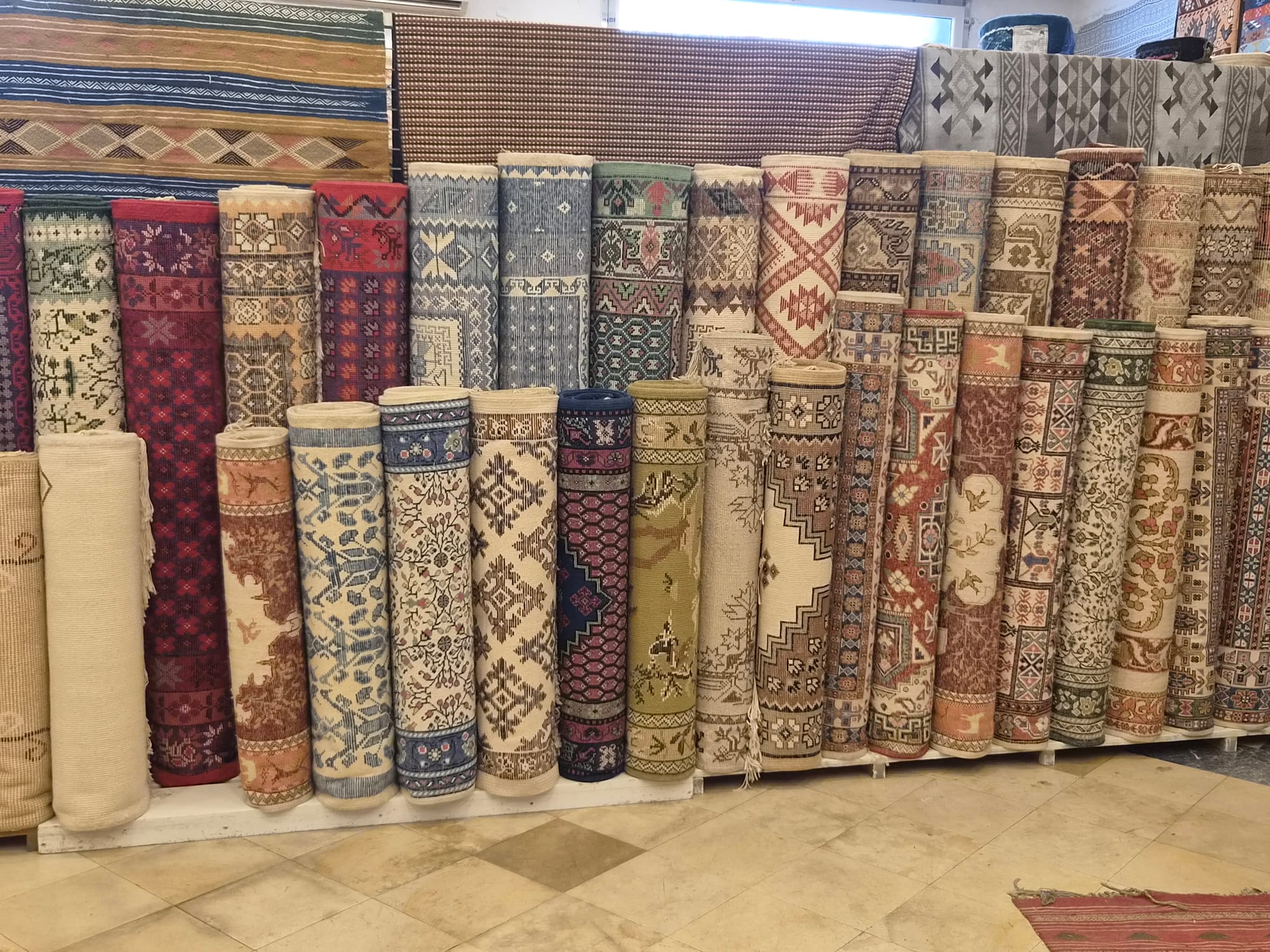
Carpets were rolled out one after another, a special price was mentioned, shipping to England was casually arranged in his head, and we received a thorough education in wool types as the prices politely deflated with each passing minute. We held firm and made our getaway, slightly dazed.
That turned out to be the opening scene of the holiday, not a one-off. Every market visit after that came with its own version of the routine; everyone, it seemed, had a sister with a shop or an uncle round the corner offering "a special price", which is less coincidence than commission, since everyone in the chain gets a cut when you buy. I did enjoy, on more than one occasion, walking into a shop and briefly being mistaken for a local, right up until they clocked the tourist underneath, at which point the prices roughly tripled.
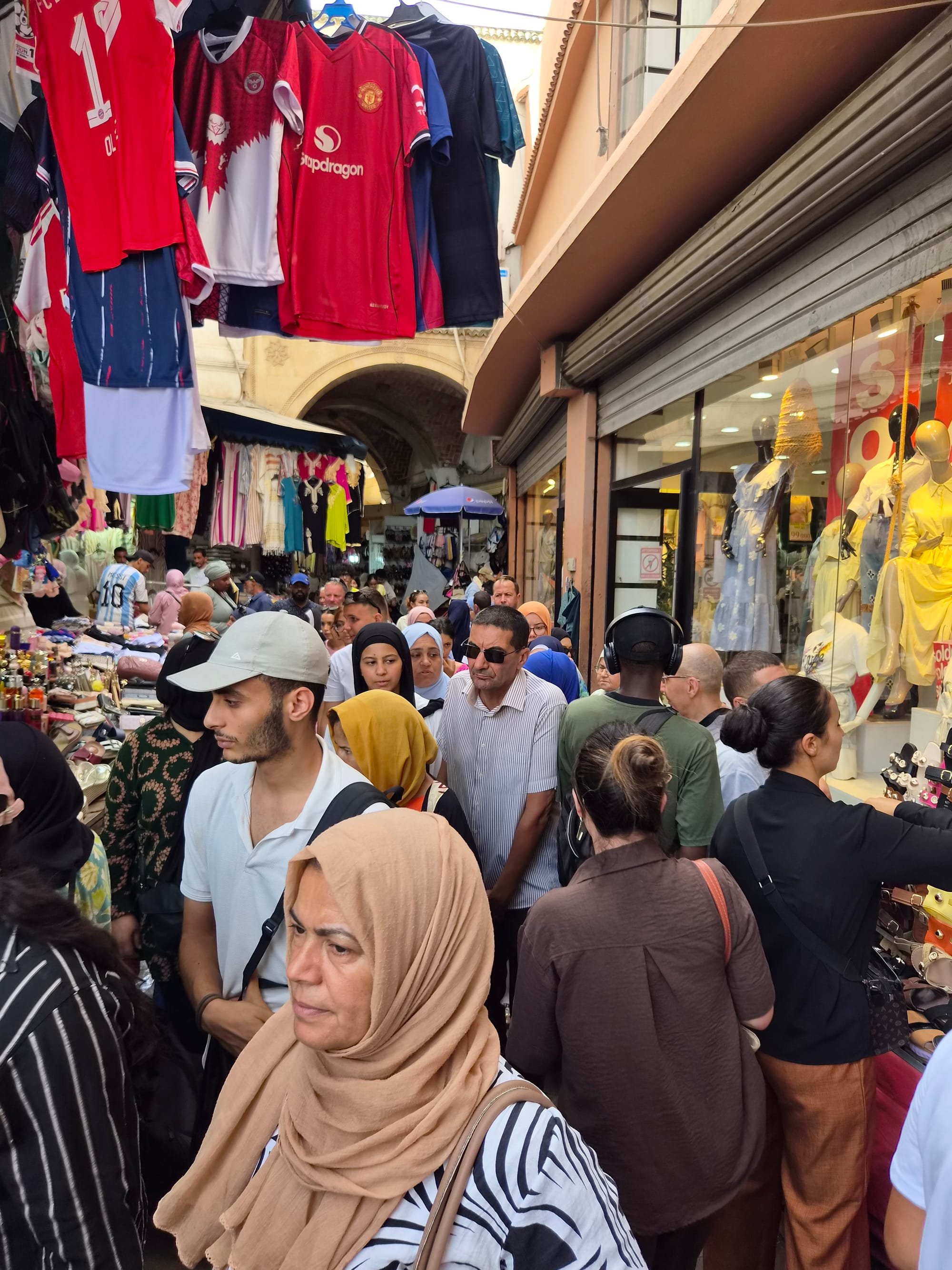
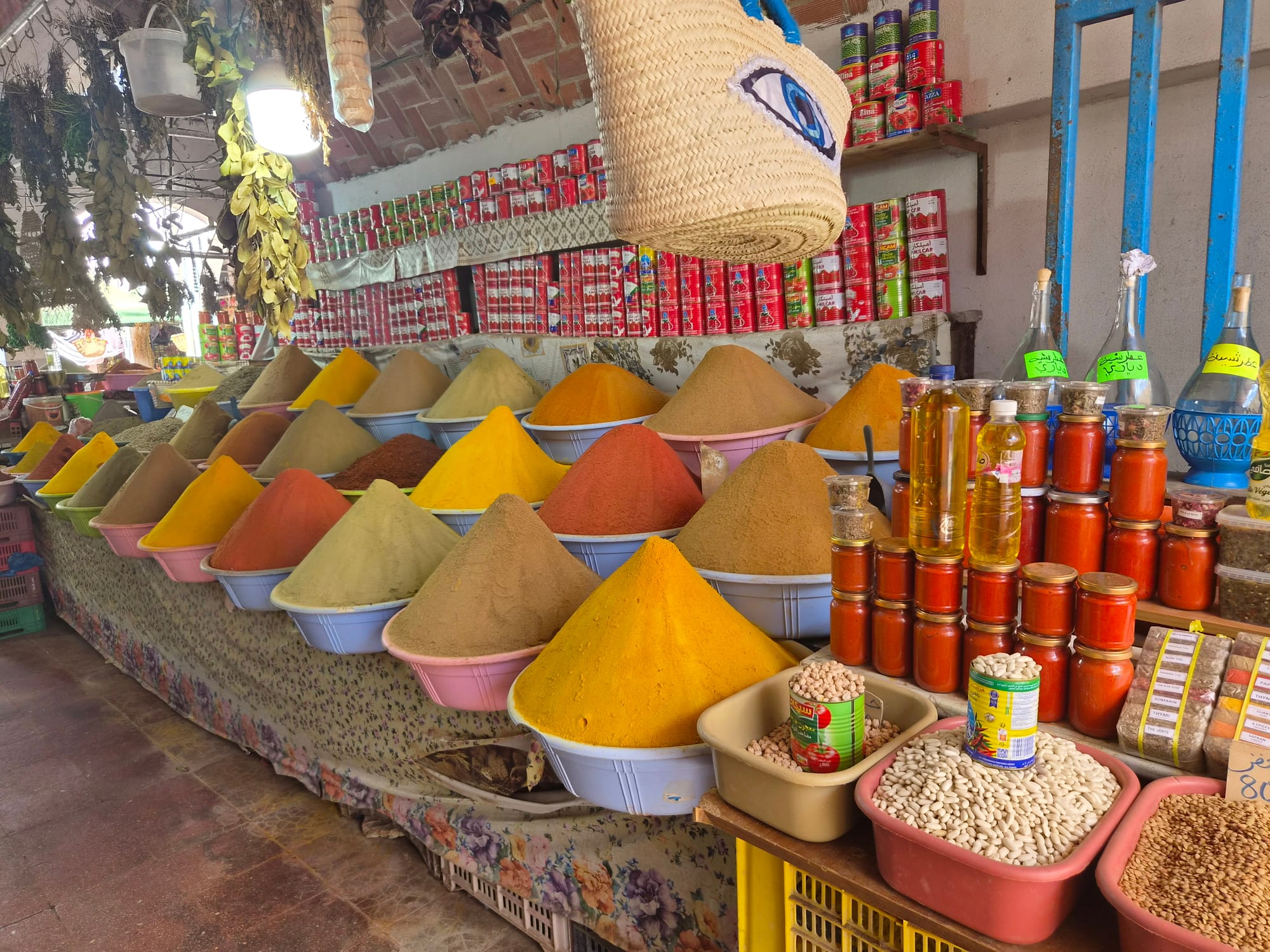
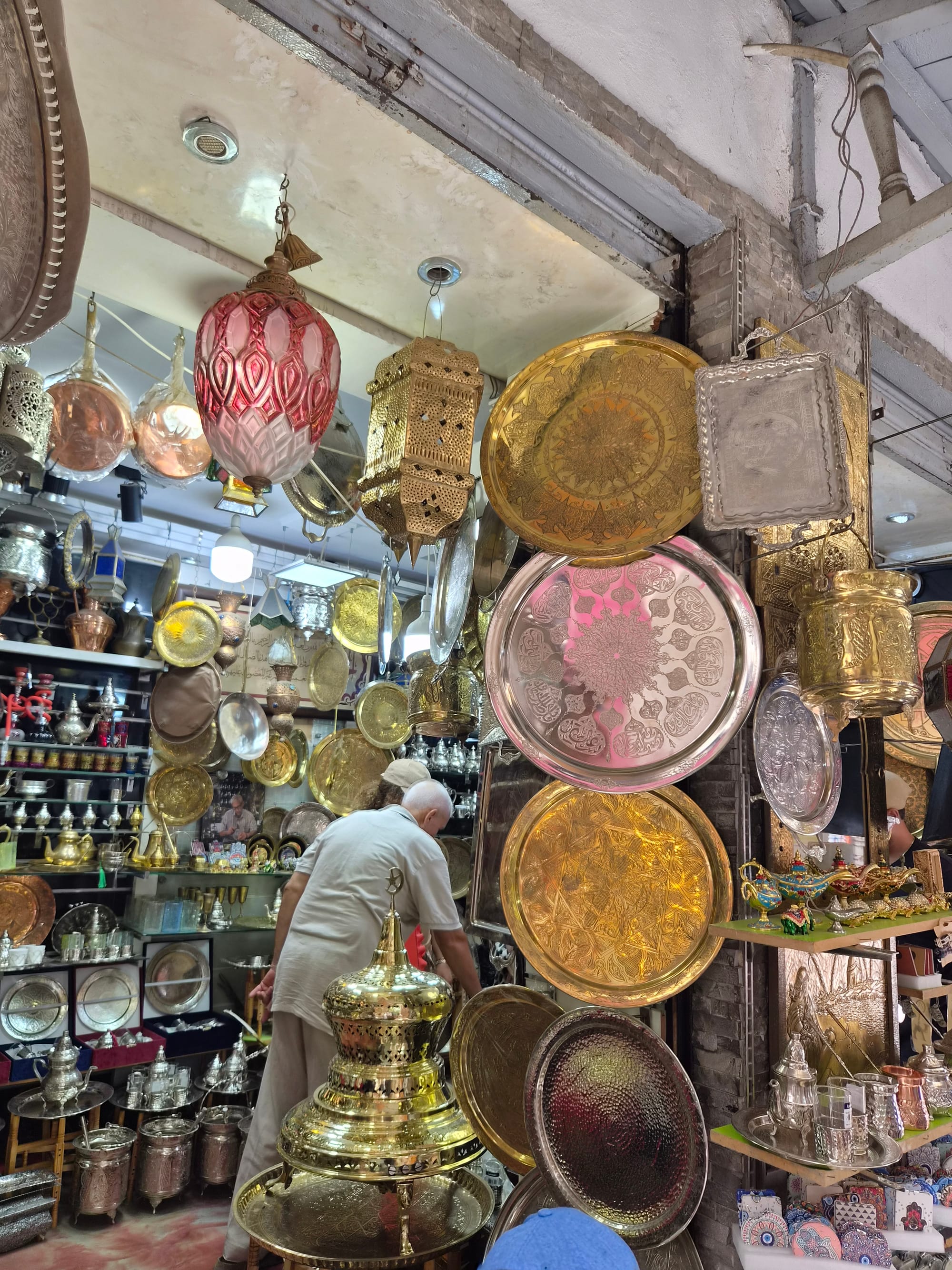
Then there's the sheer spectacle of the place. Souk stalls spill colour into streets so narrow you barely have room to turn around, let alone escape a determined carpet salesman. Whether it's the wares themselves or simply the sunshine talking, it all feels far more inviting than trudging round an English market on a grey, drizzly weekend with your collar up. Mind you, holiday mode does a lot of heavy lifting here; there's a genuine thrill in stumbling through a local market abroad, soaking up the culture, that a wet Saturday in England rarely inspires. Though it must be said, the quality of some of that colourful merchandise doesn't always survive the flight home.
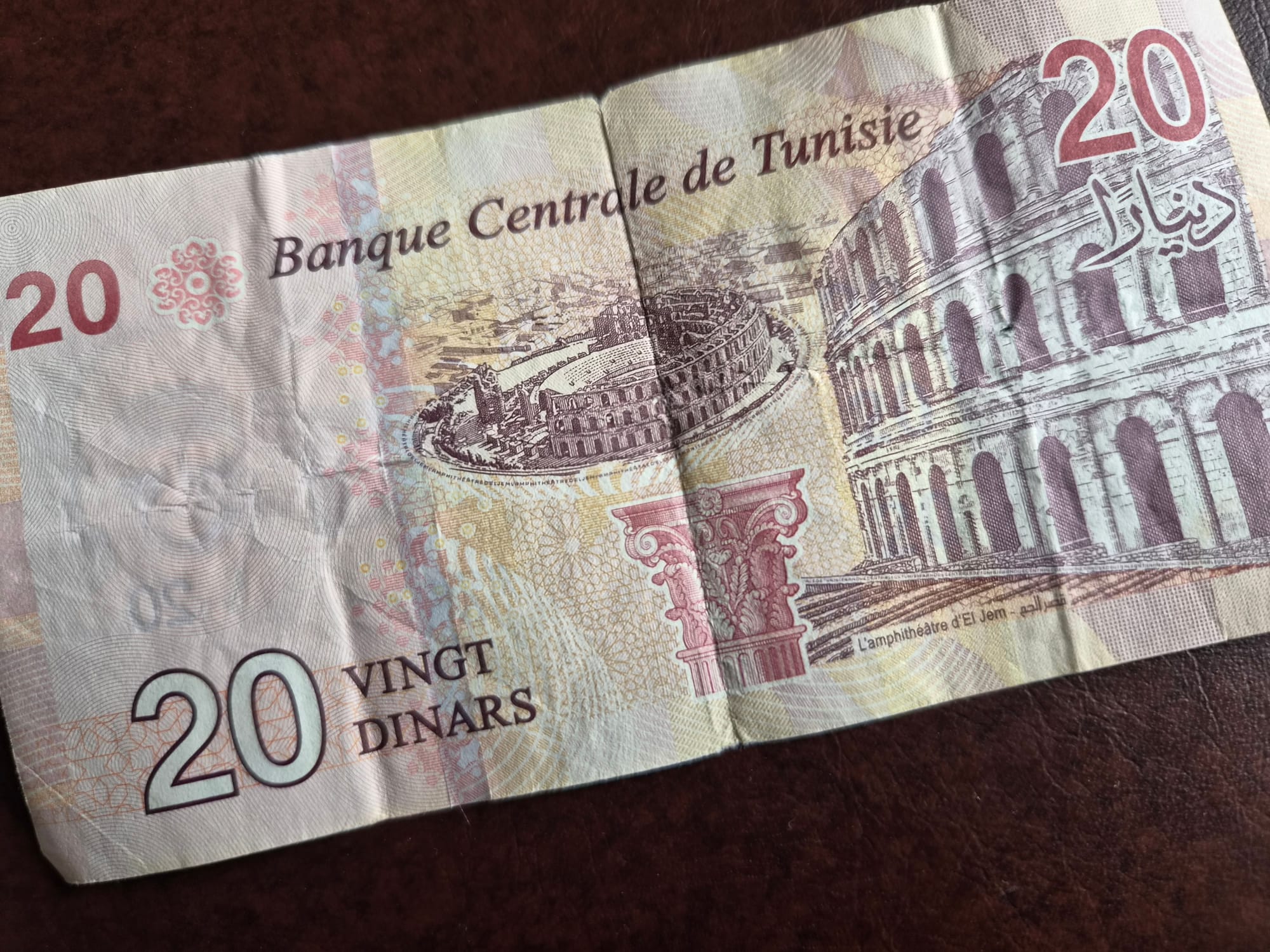
And then there's the money itself. Back home we've all but given up on cash, tapping our way through the week without a coin in sight. But there's something properly satisfying about paying in a fistful of Tunisian dinars, pockets weighed down with notes and coins, doing sums in your head, and feeling like you're actually buying something rather than just waving a card at it. And there's always one coin that stows away in a corner of your bag, only to turn up months later back in England, a small, accidental souvenir that brings the whole holiday flooding back.
That's the trade-off, really. British markets sell you certainty: fixed price, fixed quality claim, minimal drama. Tunisian markets sell you an experience wrapped around a purchase; the haggling is the point, not an obstacle to it. My wife and daughter, it must be said, found the whole performance more stressful than charming, which tells you it's not a universally beloved sport. I quite enjoyed it, though I did spend most of the holiday wondering, carpet-less and bag-less, whether I'd have got everything cheaper two stalls down.
Neither system is "better". One rewards patience and trust; the other rewards nerve and a good poker face. But I'll say this: I've never once come home from Altrincham Market with a story that starts "so we sat on a bench, and next thing we knew, we were being taught about wool."
Prepared by Zainul Sachak, 27th Sept 2026