Shorts, School Ties and Snow
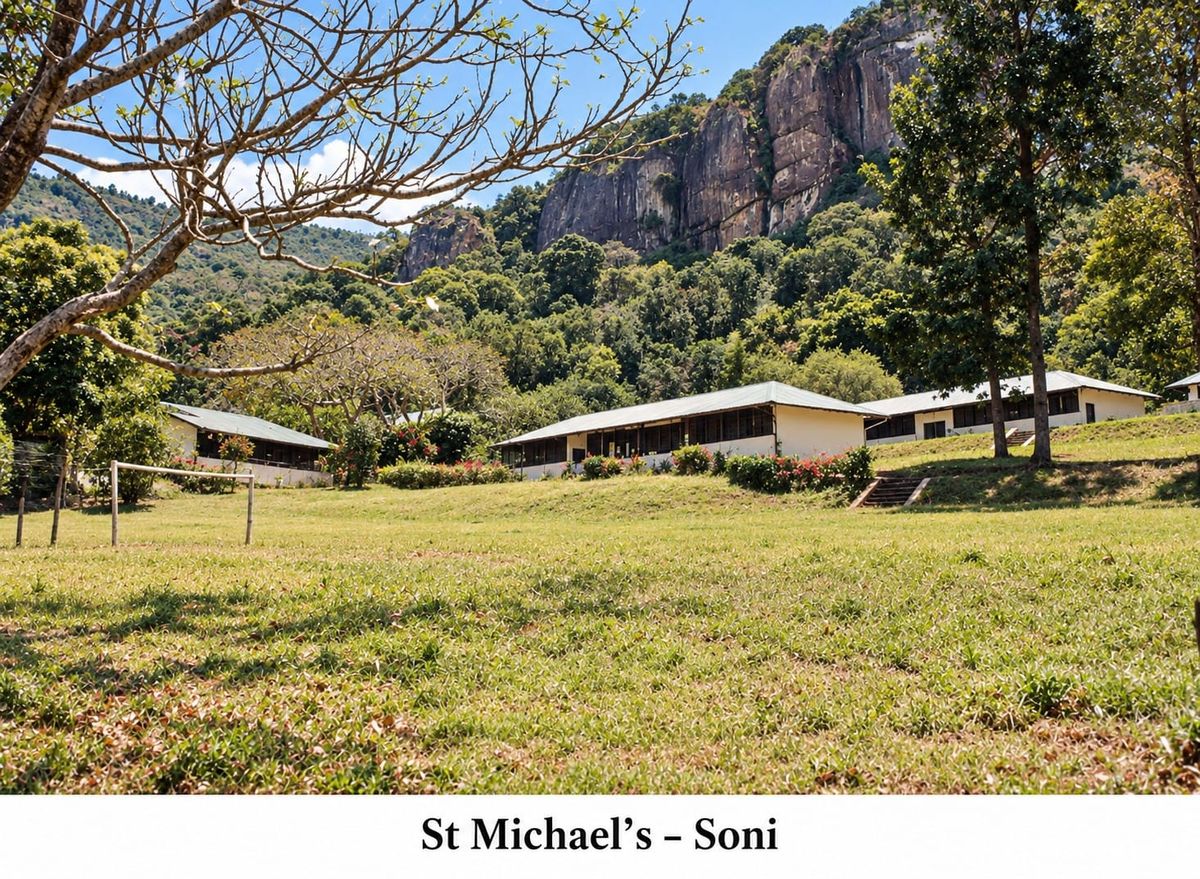
My School Days on Two Continents
When I was a small boy growing up in Tanga on the coast of Tanzania, I certainly never imagined that my education would eventually take me from a local primary school to a Catholic boarding school in the Usambara Mountains and finally to a very English public school beside the decidedly chilly English Channel.
It was quite a journey.
I was born in Tanga in 1960 into a family for whom education mattered enormously. We were also a fairly multilingual lot. At home we spoke Gujarati, outside we spoke Swahili, at school we learned in English, and as a Muslim child I also learned enough Arabic to read the Qur’an.
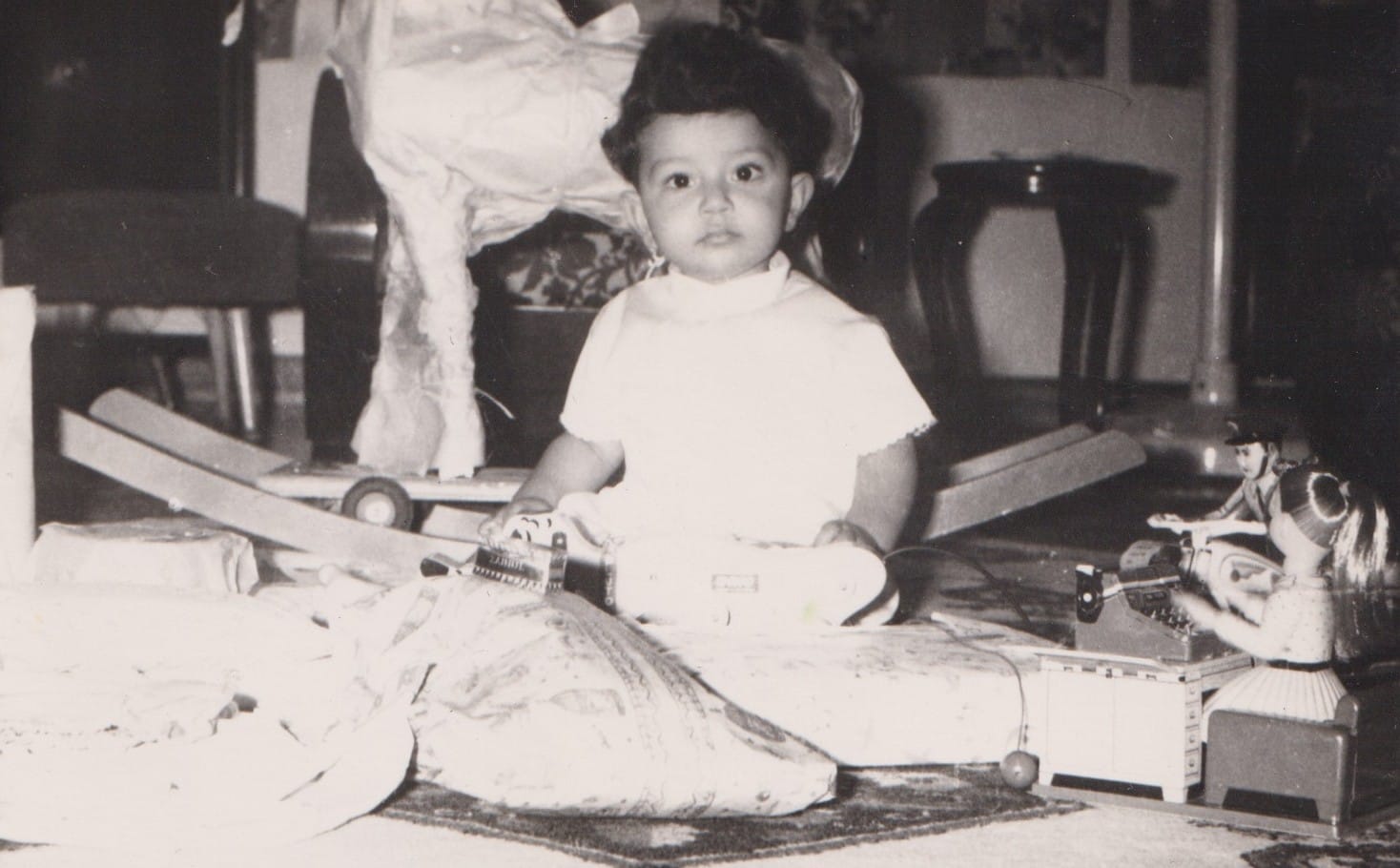
Four languages before secondary school.
Today, people put something like that on LinkedIn.
For us, it was just normal life.
This isn't the complete story of my childhood. Far too much happened between my being born in Tanga in 1960 and arriving in England in 1971 to squeeze into these pages—and some of it is probably best left safely in the family archives.
What I wanted to look back on instead was my education, because when I put the old photographs together, I realised just how extraordinary the changes had been. My classrooms, teachers, classmates, surroundings and even the climate kept changing. I went from schooldays in Tanzania, surrounded by tropical greenery and the Usambara Mountains, to an English education where grey skies, school ties and eventually snow became part of the scenery.
At the time, of course, I didn't think of any of this as an educational journey. I was simply a boy going to school and getting on with it. Only many years later did I realise quite how far that schoolboy had travelled.
Growing up in Tanga
Tanga itself was a fascinating place in which to grow up. It was an old trading port that had been part of German East Africa before coming under British administration after the First World War. Europeans, Africans and Asians had all made their homes there, connected with sisal, agriculture, commerce and shipping.
My own family formed part of that story.
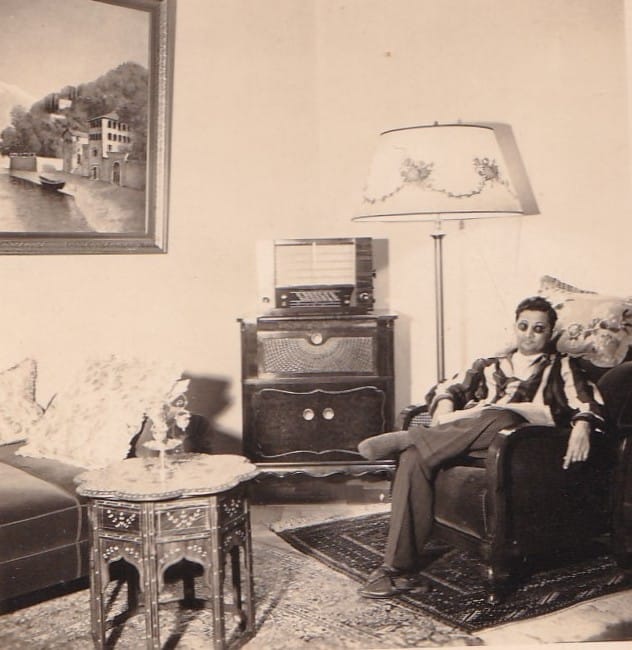
My grandfather, Taibali Essajee Sachak, had arrived from Gujarat as a boy in 1910, travelling across the Indian Ocean by dhow. He had very little formal education himself but went on to build a successful business and became a strong supporter of education and philanthropy. His children, including my father, continued that tradition, helping to fund schools and educational facilities.
So there was never much danger of my parents announcing:
“Zainul, education isn't terribly important. Just see how you get on.”
Quite the opposite.
Education was a serious family business.
My first school – in a new country
I started my schooling at Nguvumali Primary School in Tanga at an interesting moment in Tanzania's history. Tanganyika had gained independence only a few years earlier, in 1961, and in 1964 had united with Zanzibar to become Tanzania. So while I was learning my ABCs, the country itself was still learning what it wanted to become.
Education was changing too. The old colonial structures were gradually giving way to a system intended to bring children together and create a stronger sense of national identity. Swahili increasingly became central to that process — one language that could be shared across a remarkably diverse country.
Of course, none of this occupied the mind of a five-year-old boy in Tanga. I was rather more concerned with surviving the school day, finding my friends and getting home again. Only many years later did I realise that those ordinary school days were taking place during an extraordinary period of change.
Looking back, there is something rather appealing about the thought that Nguvumali and I were both beginners — I was starting school, while Tanzania was starting life as a new nation.
It was an English-medium school attended by children from a mixture of backgrounds and nationalities.
My memories of it are rather less academic.
I remember playing games on the school field.
I remember the sunshine.
And I remember a girl called Mandy, on whom I had developed what I considered at the time to be a very serious romantic attachment.
I cannot remember what marks I received in mathematics.
I can remember Mandy.
This probably tells you everything you need to know about the priorities of a young schoolboy.
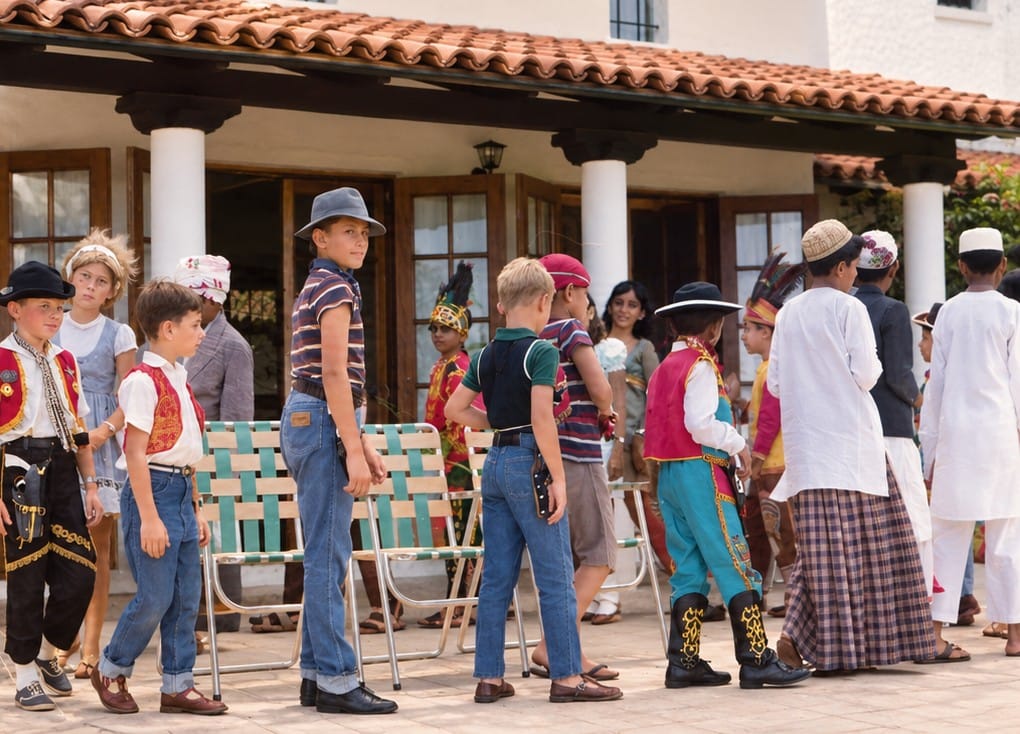
Outside school, the 1960s were happening. The Beatles were conquering the world, Cliff Richard was still impossibly youthful, fashions were becoming increasingly colourful and somewhere far away young people were discovering flower power.
Meanwhile, in Tanga, my parents were considering where to send me next.
Their answer was considerably less relaxed than flower power.
They chose a Catholic boarding school in the mountains.
St Michael’s, Soni
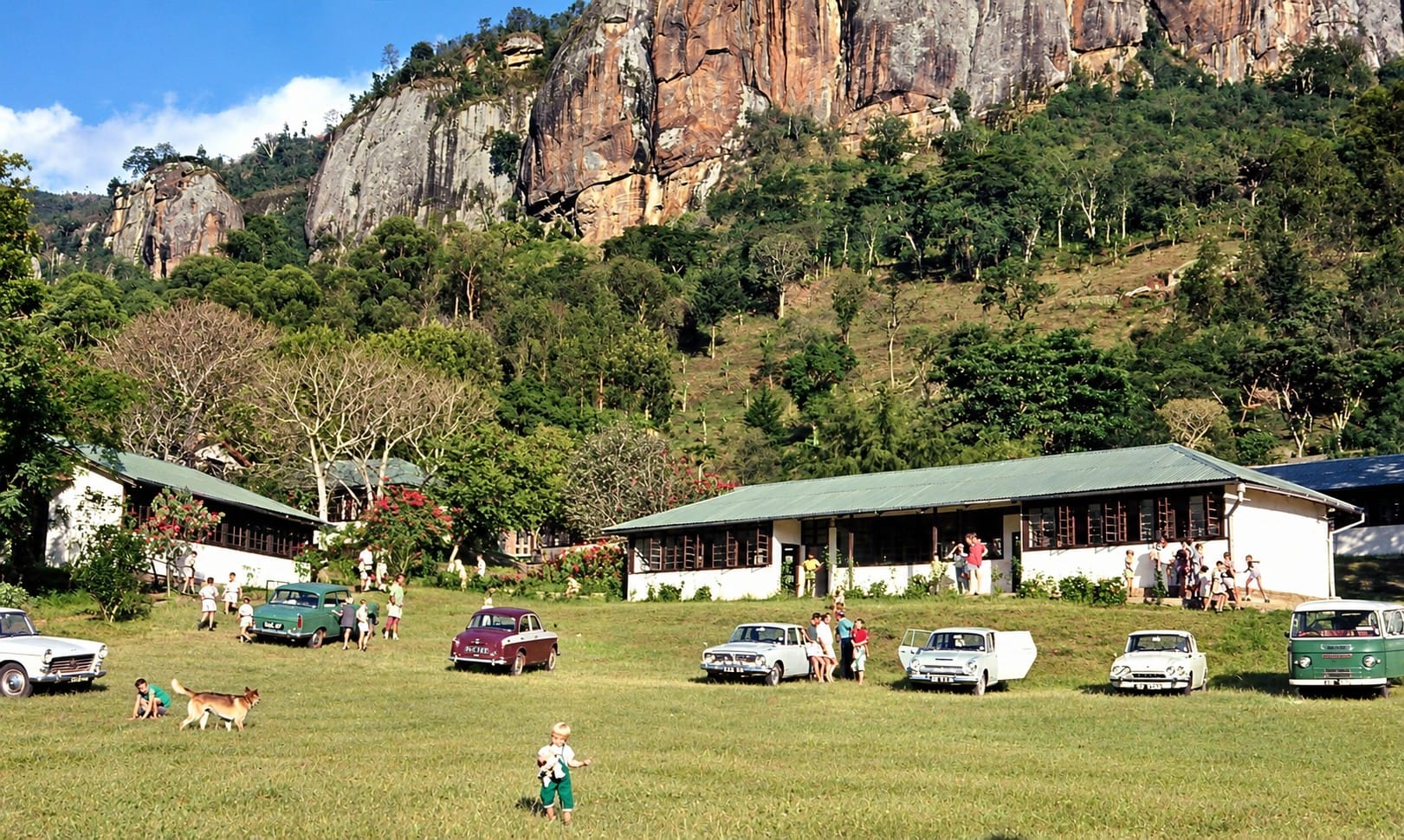
About 70 miles inland from Tanga, high in the beautiful Usambara Mountains, was the little settlement of Soni.
Our family had a house there which we used as a retreat from the heat and humidity of the coast. Getting there meant driving from Tanga towards Mombo at the foot of the mountains and then climbing steadily upwards along narrow roads.
The temperature dropped as you climbed.
The vegetation changed.
And somewhere among those hills was St Michael’s Catholic School, an English boarding school run by the Rosminian Fathers.
Historical archive records show just how colonial its origins were: correspondence concerning the school's foundation actually described it as a school for European children, with money being raised for dormitory accommodation.
By the time I arrived in 1969, aged eight, its pupils came from a wider range of backgrounds. But culturally it remained an extraordinarily English institution planted in the middle of Tanzania.
There was one slight complication.
I was Muslim.
My parents need not have worried. The Fathers made sensible arrangements. I wasn't expected to take part in Christian prayers in the same way as Catholic pupils, and although I attended Sunday Mass, I did not take Communion. My dietary requirements were also accommodated.
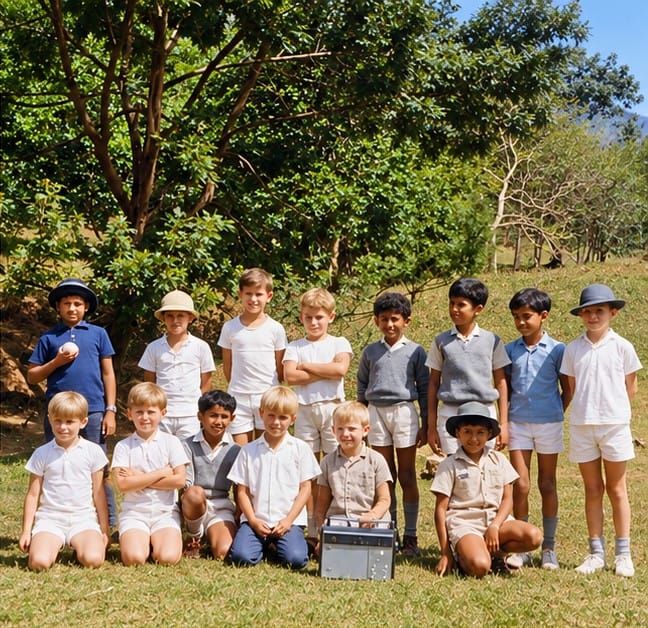
This produced an unexpected bonus.
While everybody else received the standard breakfast, I sometimes received a specially prepared pork-free alternative.
It was rather good.
Far from being the disadvantaged Muslim boy at a Catholic school, I suddenly had other boys looking enviously at my breakfast.
Religious tolerance, I discovered, can occasionally come with better catering.
Welcome to boarding school life.
Life at St Michael’s was disciplined.
Very disciplined.
We slept in large dormitories which, in my memory at least, bore a worrying resemblance to military barracks. At seven o'clock each morning we were outside doing physical exercise.
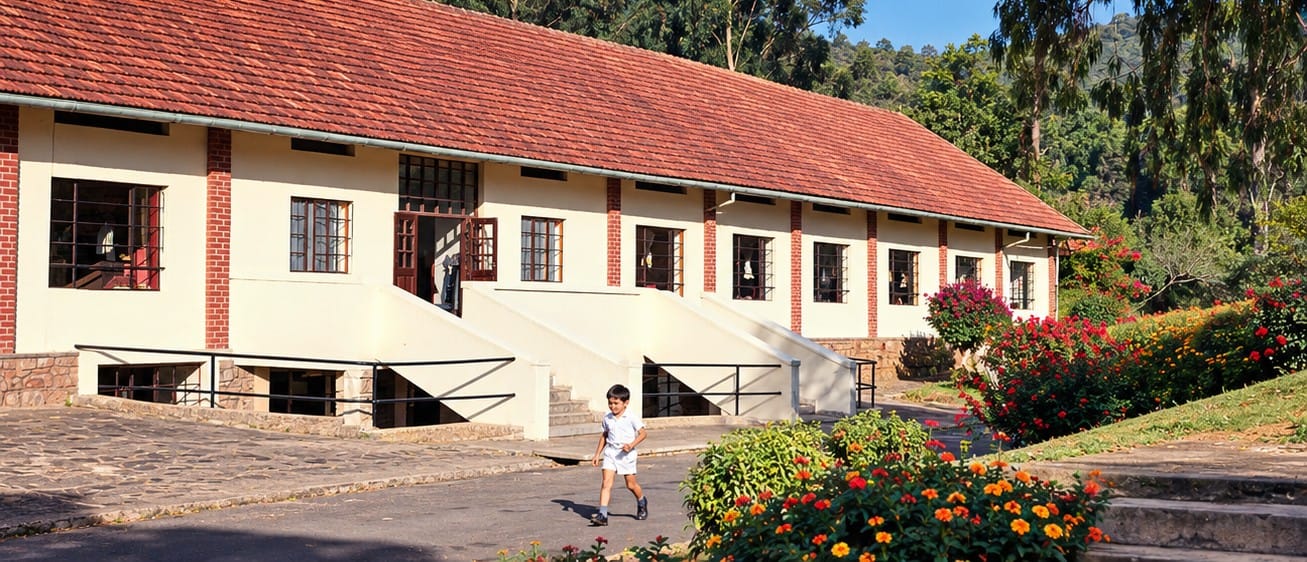
Our uniform was simple: khaki shirt, khaki shorts and sensible shoes.
Fashion had clearly not reached Soni.
The school operated to a strict timetable, and rules were rules. Breaking them could result in a visit to Brother Rayner and corporal punishment.
Some of the more experienced boys had developed their own early-warning defence system: strategically placed padding inside their shorts.
Health and safety, 1969-style.
Whether the Brothers knew about this innovation, I have no idea, although I suspect that they did.
Whatever one thinks about those methods today, they certainly created an atmosphere in which nobody needed to be reminded twice about the rules.
Dinky cars and hyenas
Boarding school wasn't all lessons and discipline.
We invented our own entertainment.
One of our great sporting events involved Dinky toy cars. We tied a string to the front and raced them around improvised courses in the school grounds.
Entry fee: one sweet.
There were penalties if your car overturned.
Forget Formula One. This was serious motorsport.
Our rural location also provided rather more exotic entertainment.
Hyenas sometimes approached the perimeter of the school after dark. We could see their eyes reflecting in the darkness.
Naturally, being sensible young boys, we kept well away from them.
Well...some of us did.
Others developed a game involving seeing who dared venture closest.
Quite why any adult allowed this remains one of life's mysteries.
At eight years old, however, the combination of darkness, hyenas and peer pressure seemed perfectly reasonable.
I never attempted the ultimate challenge.
I would like to claim this was because I possessed superior intelligence and risk-management skills.
The truth is probably that I was terrified.
The mysterious power of Indian snacks
Weekends could be rather dull for boarders.
I had one enormous advantage: our family house was nearby.
My parents would occasionally appear bearing wonderful homemade Indian snacks.
Technically, parents weren't supposed to be taking pupils out or making frequent visits during term.
Yet somehow the Sachak family appeared to enjoy a slightly more flexible interpretation of school regulations.
Years later I discovered that my mother periodically sent one of the Fathers boxes of freshly prepared Indian food.
I make no allegations whatsoever.
I merely present the evidence.
Draw your own conclusions.
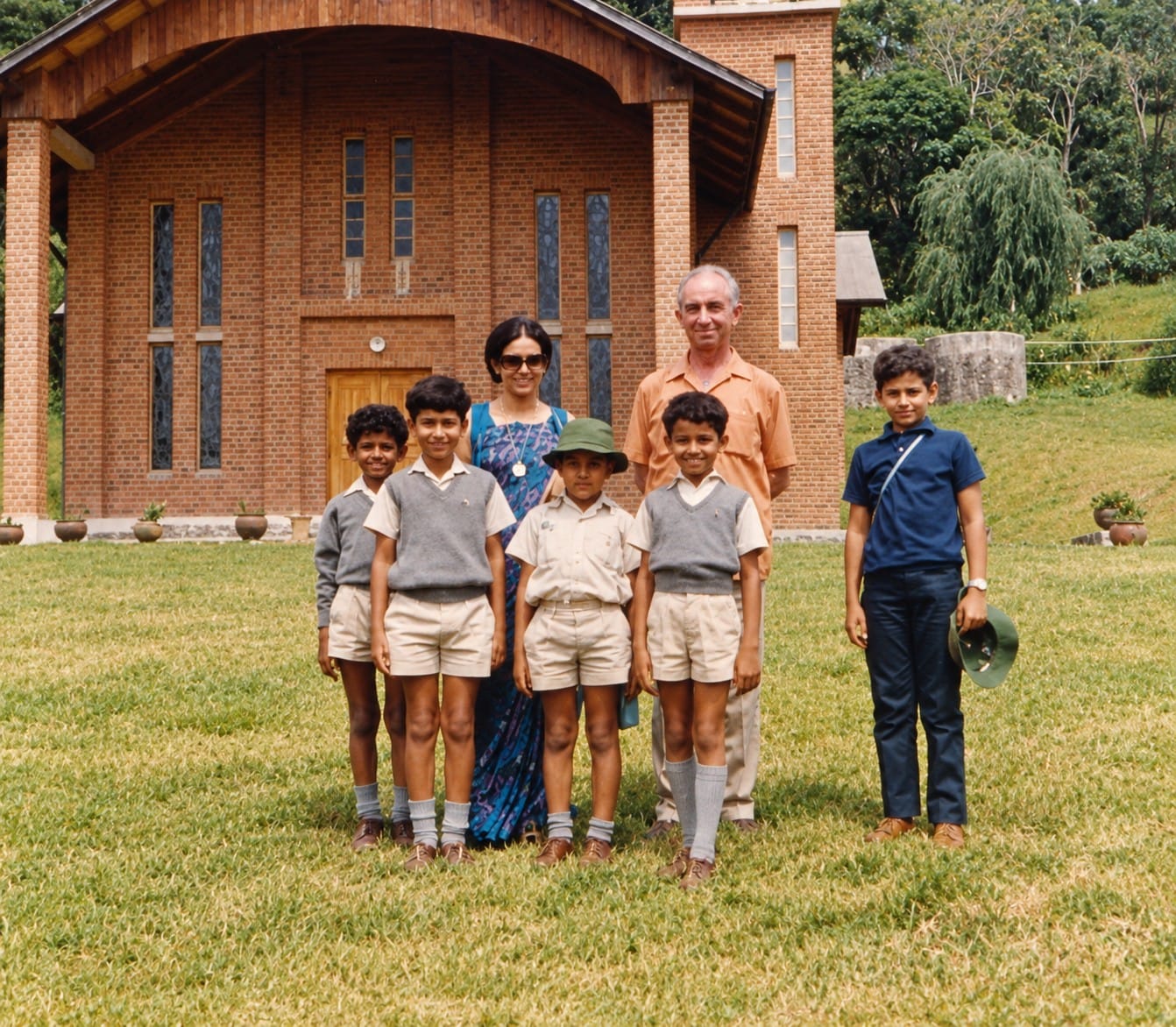
My father also got on particularly well with Father McCarthy, the headmaster, who occasionally visited our family.
I assumed this was because of their deep shared interest in my educational development.
Later I discovered they both enjoyed Scotch whisky.
Another childhood illusion shattered.
The Sachak Mafia arrives.
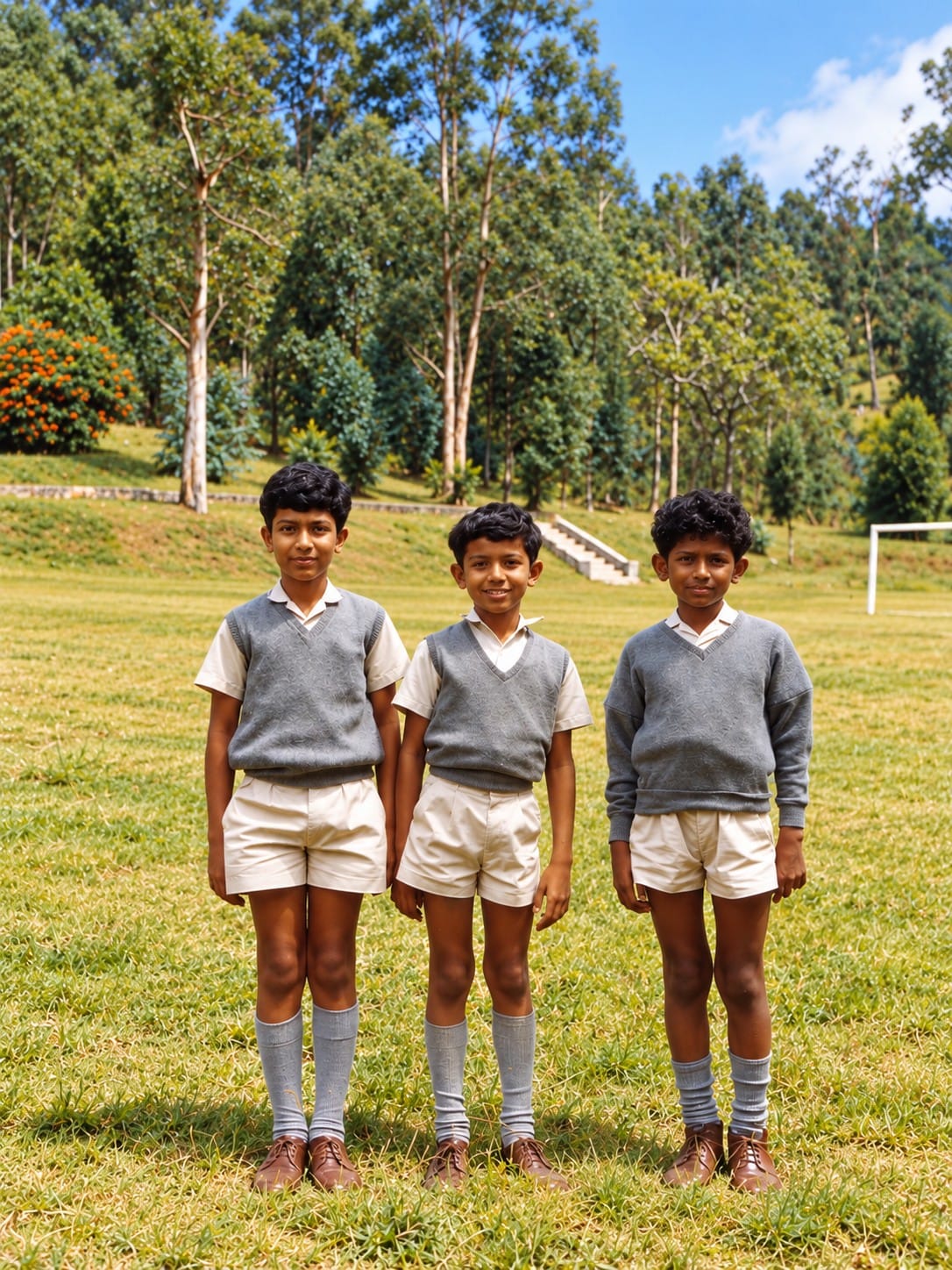
I began at St Michael’s in 1969. My two younger brothers, Zahir and Akeel, followed me, and in 1970 a couple of cousins, Saleem and Afzal, arrived as well.
Suddenly there were Sachaks everywhere.
The Sachak Mafia had taken control of Soni.
Aunts and uncles appeared bearing food. Special meals had to accommodate the Muslim contingent. Our Dinky-car rallies continued.
Once a month there was a film night in the main hall, which was a major event. Television had yet to become part of everyday life for us, so entertainment generally meant sport, games, books or whatever mischief boys could invent for themselves.
There was also the less enjoyable daily ritual of malaria tablets.
At lunchtime we were given tablets which tasted absolutely foul. Some boys swallowed them obediently. Others developed increasingly sophisticated techniques for hiding them in their food.
Unfortunately, malaria was considerably more determined than we were.
I caught it and spent about three lonely weeks in the school sick bay.
For a child away from home, three weeks felt like three months.
What we didn't know
There is, however, a much darker side to the story of St Michael’s.
At the time, I knew nothing about it.
Decades later, former pupils came forward describing serious physical and sexual abuse at St Michael’s during the 1960s. Their accounts formed part of the 2011 BBC documentary Abused: Breaking the Silence, presented by Olenka Frenkiel. The programme examined allegations involving St Michael’s and another school run by the Rosminian order. Contemporary reporting described former pupils speaking publicly about experiences which had affected them throughout their adult lives.
That revelation was particularly unsettling for me because some of the priests and brothers named were people I had known.
It is strange to look back at childhood memories—dormitories, sports fields, school dinners and Dinky cars—and discover decades later that other boys had experienced something very different behind the same walls.
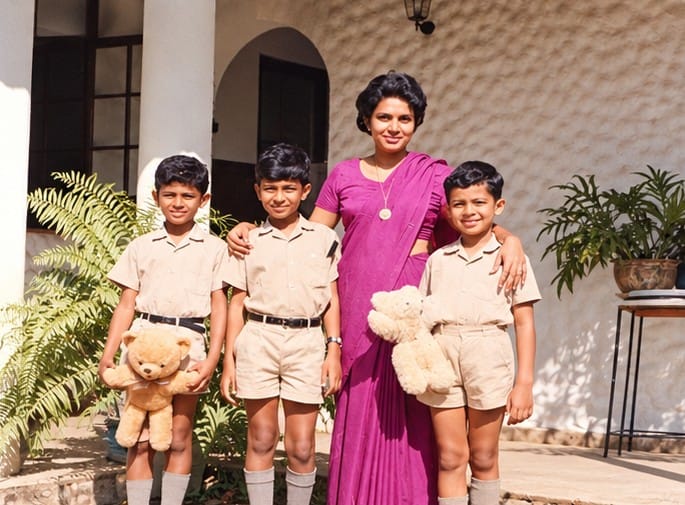
My memories remain my memories. But knowing what happened to others inevitably changes the way I now look back on that school.
St Michael’s eventually disappeared, but its story has remained with many of its former pupils.
Tanzania was changing too
While we were worrying about school rules, malaria tablets and Dinky cars, Tanzania itself was undergoing enormous change.
Tanganyika had gained independence from Britain in 1961 and, following union with Zanzibar in 1964, the new country became Tanzania.
President Julius Nyerere was reshaping the country around his vision of African socialism and self-reliance. His influential Education for Self-Reliance policy appeared in 1967 and sought to connect education much more closely with Tanzania's social and economic development rather than simply reproducing the colonial education system.
For established Asian families involved in commerce and property, this was also a period of uncertainty and profound change.
My father could see the direction in which things were moving.
Having himself spent time studying in England during the 1950s, he began looking at British schools for his three sons.
Without fully understanding what was happening, my brothers and I found ourselves sitting entrance examinations.
Then came the announcement.
We were going to England.
England, April 1971
In April 1971, aged ten, I boarded an aircraft and left the warmth of East Africa.
We landed in London.
My first considered assessment of England was straightforward:
It was freezing.
I wanted to go home.
We initially stayed in a rented flat in Pont Street in Knightsbridge.
Everything seemed unfamiliar: the buildings, the accents, the shops, the weather and even the smell of the place.
Supermarkets fascinated me.
Tanga's shopping had been completely different. Here were rows and rows of immaculate shelves filled with tins, packets and products I had never seen before.
More importantly, there were sweets.
Cadbury Dairy Milk.
Rowntree's Smarties.
England was cold, but perhaps it wasn't completely uncivilised.
There was also television.
Suddenly I discovered Doctor Who, Grandstand and The Two Ronnies.
Coming from a childhood where we had made our own entertainment, British television seemed miraculous.
Brighton and another boarding school
Our destination was Brighton College Preparatory School in Kemptown.
The journey from London Victoria to Brighton itself felt like something from another age: polished wood, old railway carriages and brass fittings.
Years later, when I first saw Harry Potter travelling to Hogwarts, I thought:
Been there.
Although nobody at Victoria had offered me a platform numbered nine and three-quarters.
Brighton presented another surprise.
Tanga had sandy beaches and warm Indian Ocean water.
Brighton had pebbles, grey water and a wind apparently travelling directly from the Arctic.
Technically both were seaside towns.
That was roughly where the similarity ended.
Our arrival also produced our family's first encounter with the dangers of British pronunciation.
My father believed term began on the 28th of April.
It actually began on the 20th.
Apparently somewhere between an English accent and my father's ear, eight days had disappeared.
Panic followed.
Fortunately, the school matron helped my mother sort everything out and three slightly bewildered East African boys were eventually delivered into the English boarding-school system.
Blazers replace khaki
The uniform was magnificent compared with Soni.
Blue blazer with the school crest.
Shorts.
Long socks.
School cap.
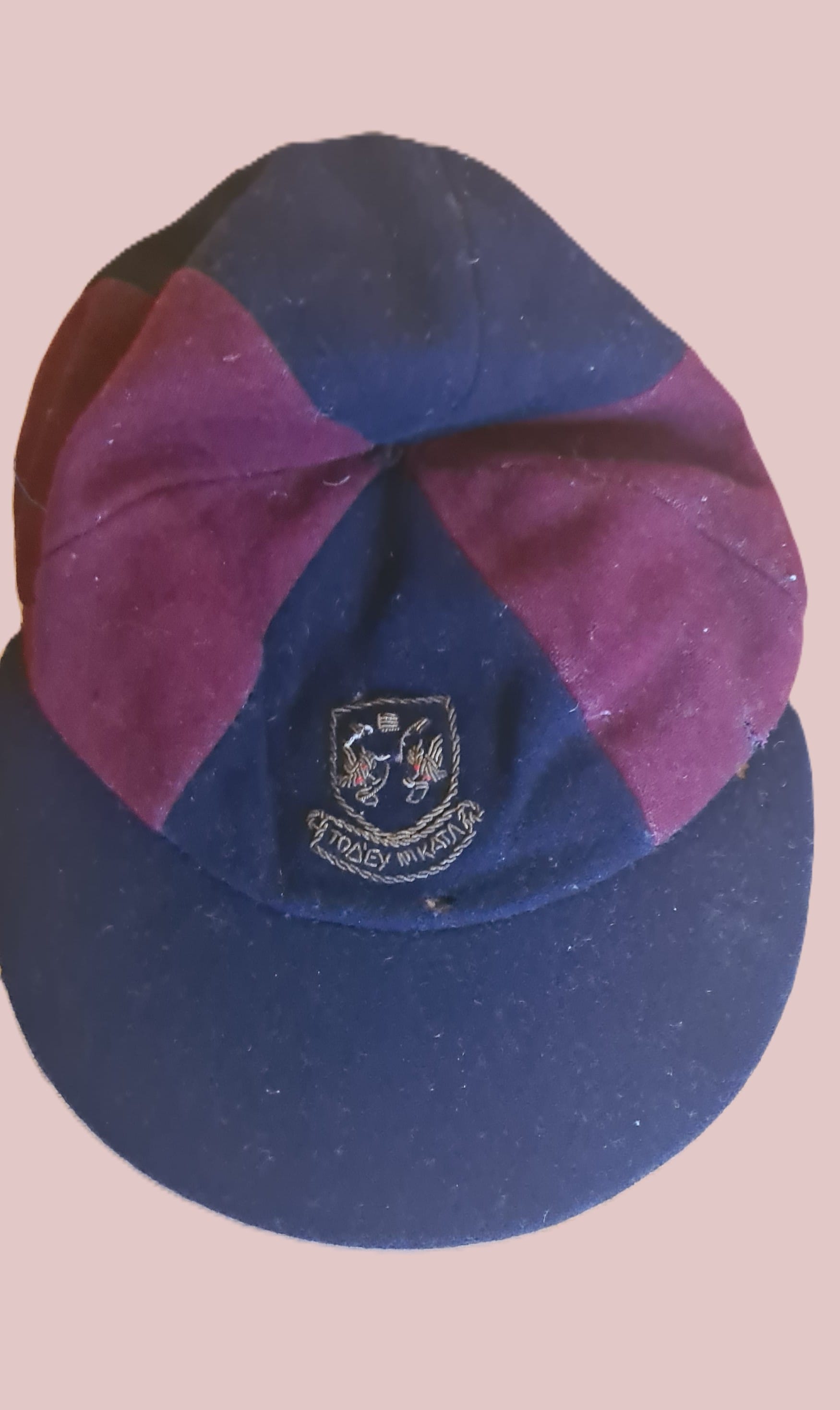
I had gone from khaki colonial practicality to looking like an extra from a 1970s school story.
The school uniform came complete with a rather splendid cap in maroon and navy, which I have somehow managed to preserve all these years. Quite why I kept it when so many other things disappeared remains a mystery. Perhaps I suspected that one day it would become a museum exhibit!
Yet after St Michael’s, English boarding school seemed surprisingly gentle.
The biggest adjustment wasn't discipline. It was culture.
Different food.
Different accents.
Different expressions.
Different behaviour.
And, of course, the inevitable school bully.
One boy decided that the new African pupil represented an easy target and eventually challenged me to a fight in the playground.
This proved to be a tactical error.
He had clearly failed to appreciate that I had already survived Catholic boarding school, malaria, corporal punishment and nocturnal hyenas.
A playground bully in Brighton did not rank particularly highly on my threat register.
We fought.
He lost.
In retrospect, it sounds suspiciously like my own low-budget version of Tom Brown’s School Days. Thomas Hughes gave Rugby School the infamous Flashman, who bullied and tormented Tom Brown.
Brighton College apparently felt I shouldn't miss out on the full English school experience and supplied a Flashman of its own. Unfortunately for him, I hadn't read the book and therefore didn't know I was supposed to suffer nobly. We had a fight instead. No doubt Thomas Hughes would have written it rather better.
Diplomatic relations subsequently improved considerably.
Becoming a Brighton boy
After about a year my parents decided to leave Tanzania permanently and settle in England.
They bought a house within walking distance of the school and we became day boys.
This transformed school life.
We still arrived early and often didn't leave until after five, but at least home—and proper home cooking—was waiting at the end of the day.
I started playing cricket and increasingly settled into English school life.
There was one unexpected academic legacy from Tanzania.
During Religious Education lessons, my brothers and I often knew more about Christianity and the Bible than many of our classmates.
Years at a Catholic boarding school had apparently turned three Muslim boys into accidental experts on Christianity.
Education works in mysterious ways.
Fifty Pence and a Pancake Roll
Boarding school introduced me to many unfamiliar things, but one of the most exciting was something remarkably ordinary: pocket money.
Before long, one of those strange new 50p coins would become very important to me. It was my pocket money — and, more often than not, my passport to a Chinese pancake roll.I had never had pocket money before. Suddenly I was entrusted with the princely sum of 50 pence. It made me feel extraordinarily grown-up. Here was money that actually belonged to me, and I could decide what to do with it.
My financial strategy was not particularly sophisticated. I usually headed for the Chinese takeaway near the school and bought a pancake roll.
Yum.
Looking back, it seems ridiculous that I remember that pancake roll so clearly. But perhaps it represented something more. At St Michael's in Soni, life had been largely contained within the extraordinary world of the school and the Usambara Mountains. Now I could walk out through the gates of my English boarding school with money in my pocket and make a decision entirely for myself.
There were trips to Brighton Pier too. The lights, amusement arcades, noise and crowds belonged to a world I could hardly have imagined when I was at St Michael's. Even going into Brighton felt slightly ceremonial because there was no possibility of disappearing into the crowd. Our school uniform made sure everyone knew exactly where we had come from.
The Junior School itself was in an old building which felt cramped and carried the remnants of another age. It was eventually replaced by newer premises across the road, but that rather antiquated building became part of my earliest experience of English boarding-school life.
Brighton College
Moving from the Prep School into Brighton College itself was relatively seamless.
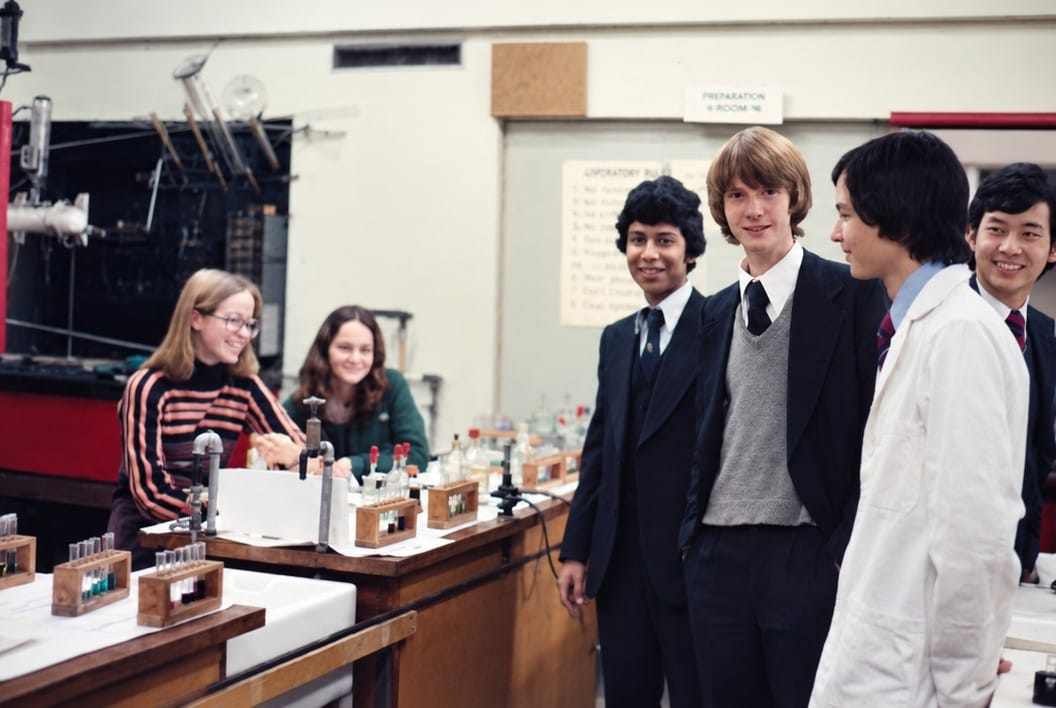
The College had been founded in 1845 and was originally a boys' school. Girls were first admitted to the sixth form in 1973, during my years there; the school eventually became fully co-educational in 1988.
I joined Leconfield, one of the day houses.
By then England no longer seemed quite so foreign.
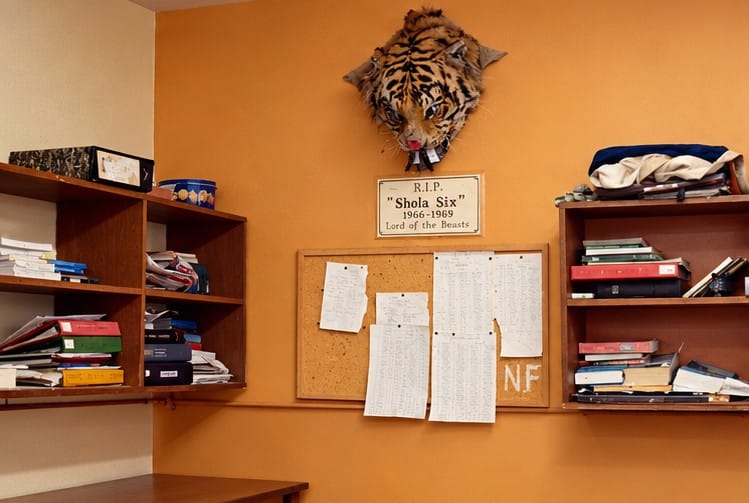
Brighton was home.
I loved sport and played cricket and hockey, eventually representing the school second teams. House competitions were fiercely contested and school life extended well beyond lessons.
I completed my Duke of Edinburgh Gold Award, including an expedition in Snowdonia.
I took part in community service.
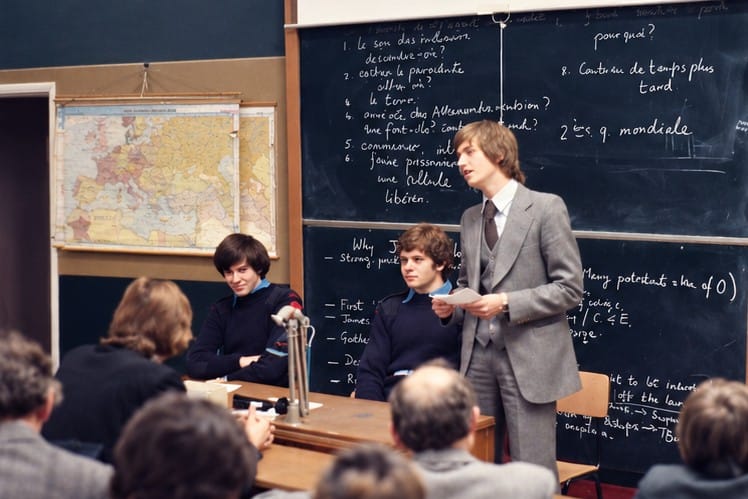
There was a school trip to Luxembourg.
I helped organise a music concert.
And somewhere along the way I made friendships which have lasted for decades.
That, more than examination results or school buildings, is probably one of the great gifts of school.
Life beyond the classroom
By the time I moved into the Senior School, education was beginning to mean much more than lessons and examinations.
I learnt carpentry for the first time.
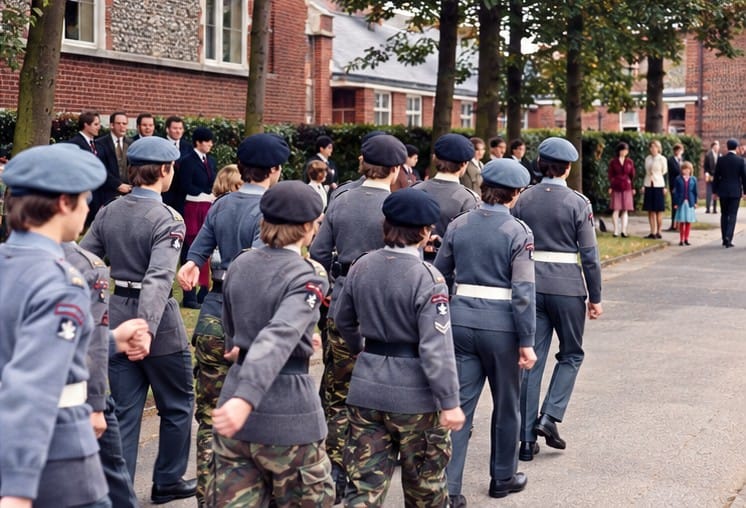
As I still held a Tanzanian passport at the time, I was not allowed to join the school's cadet corps - Army, Navy and RAF or as we called it CCF (Combined Cadet Corps). You always knew when they were out marching in the square next to the science labs and Aldrich House, you heard the continous thud of boots marching up and down and the voice of the Sargeant major bellowing out loudly.
More importantly, I had my first experience of what I would now call community volunteering. We went out in pairs to visit elderly people who lived alone. There was no grand project or complicated programme: we simply sat with them, talked and usually had a cup of tea.
What surprised me was how interesting they were. They had lived through events that to us belonged to history books, but to them were simply their lives. I didn't realise it then, but those visits taught me something that has remained with me: sometimes one of the most useful things you can give another person is simply your time.
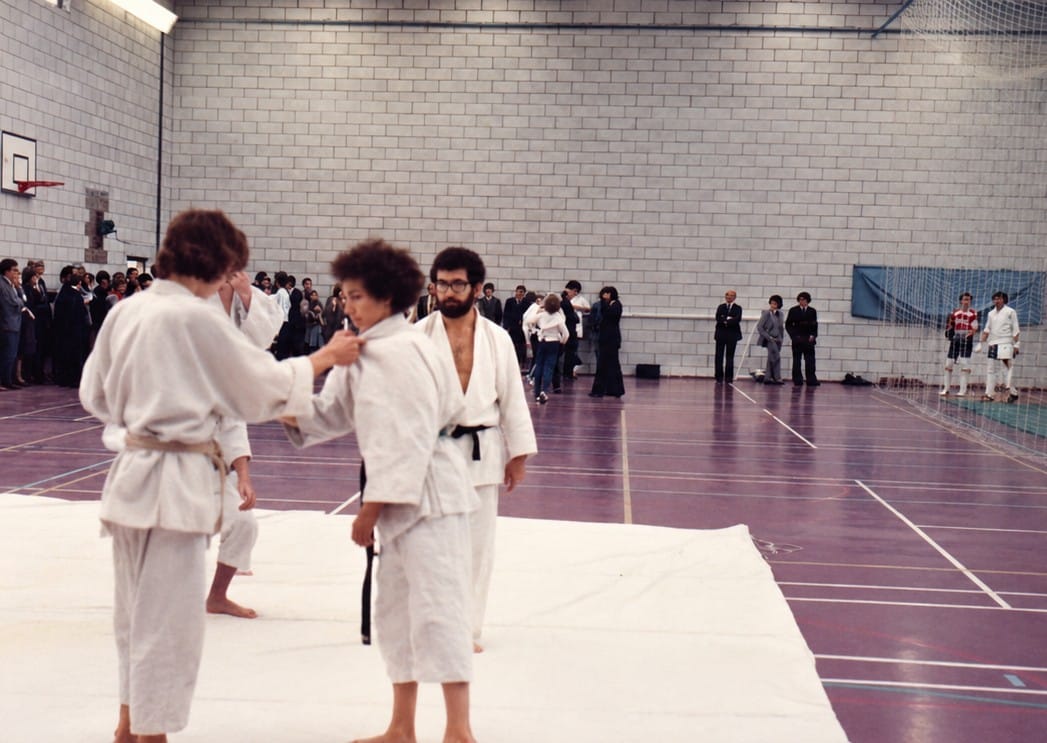
Sport was another large part of school life. I became sufficiently obsessed with cricket that, for one year, I was the official scorer for the First XI. We travelled to other independent schools around the South East for matches, giving me another glimpse of a Britain that was still completely new to me.
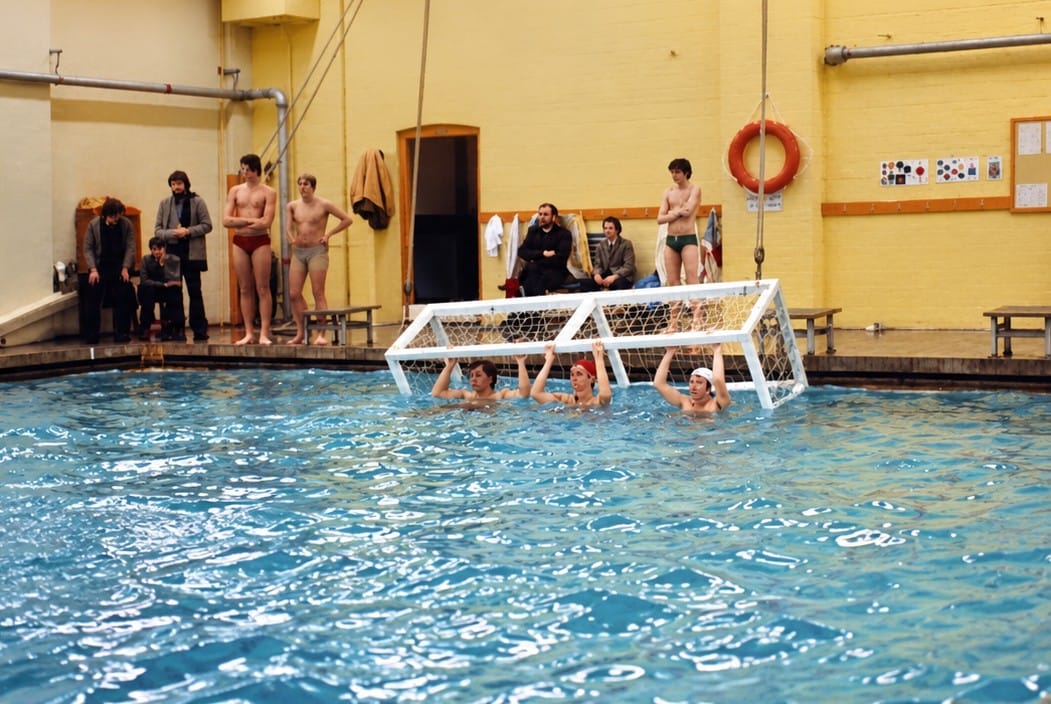
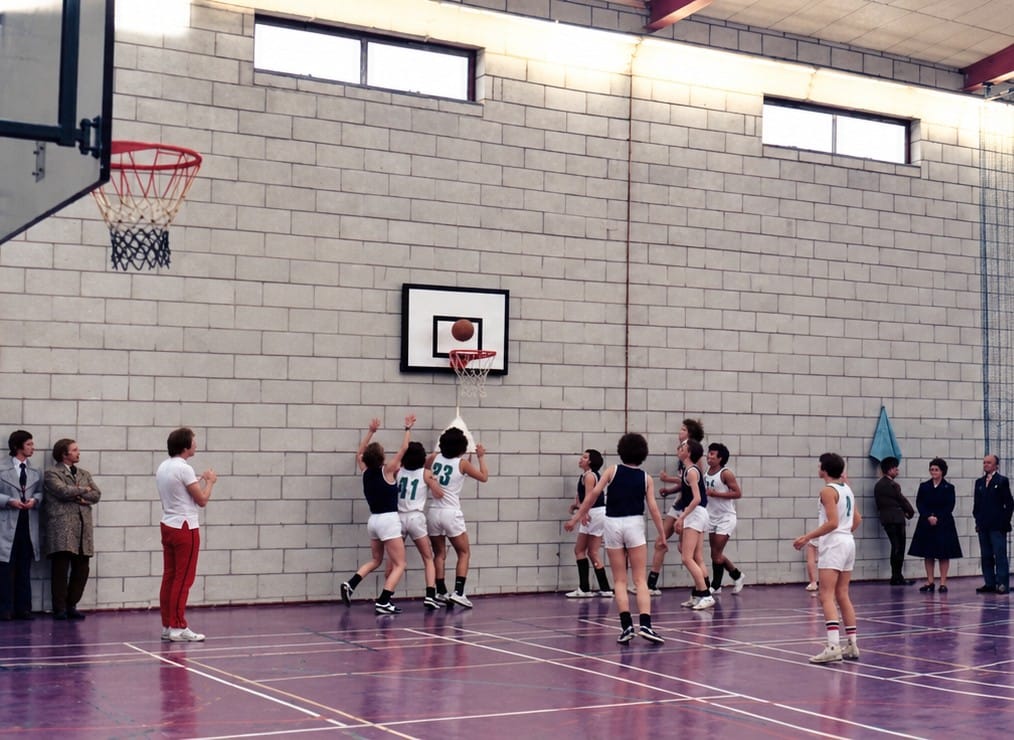
Getting to one of our own sports grounds involved a walk of about twenty minutes. Strangely, nobody seemed to complain very much about that particular journey.
The route happened to pass St Mary's, a girls' boarding school.
Pure coincidence, obviously.
Relations between the two schools became rather more legitimate through our joint orchestra. My own contribution to Britain's musical heritage was playing the cymbals — an instrument requiring considerable patience followed by occasional moments of extreme enthusiasm.
Finding my place
Leconfield House gradually became home. Our housemaster, Mr Rodney Fox, was firm but considerate towards me, something I appreciated perhaps more than I understood at the time. By my final year I had become a House prefect.
That progression means more to me looking back than the title itself. I had arrived in England as an eleven-year-old from Tanzania trying to understand an entirely unfamiliar educational world. A few years later, I was being given some responsibility within it.
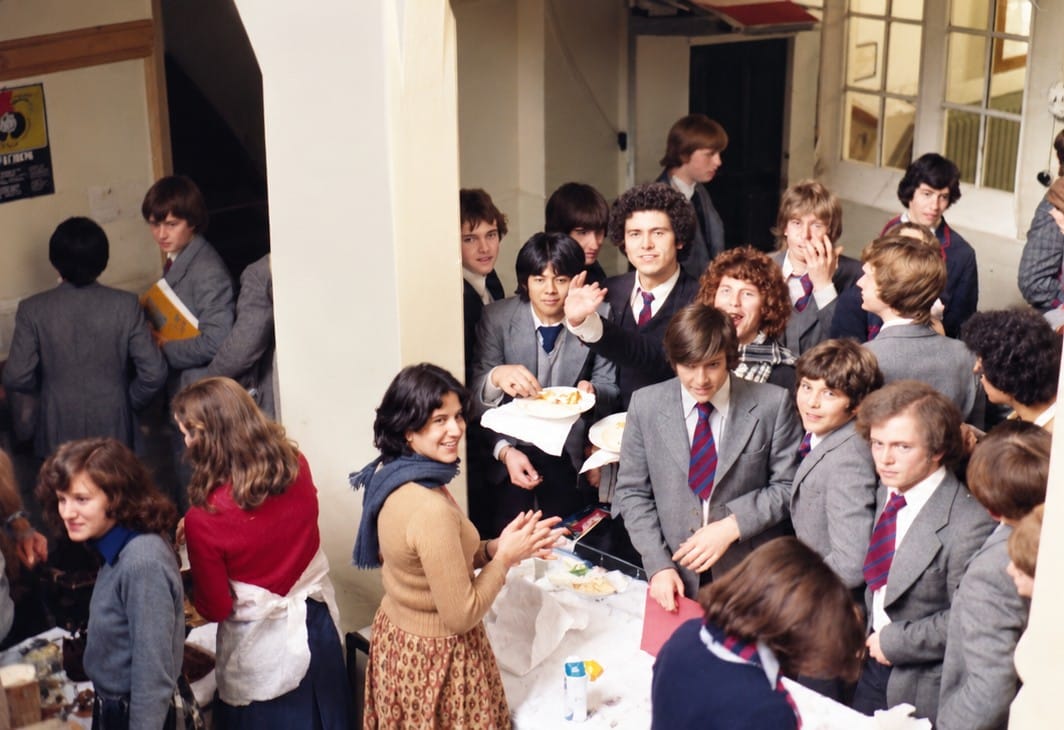
And despite the very English surroundings, Brighton College itself was surprisingly international. Some of my friends came from Thailand, Iran, Nigeria and India, while I was the boy from Tanzania. In our different ways, we were all learning how to belong somewhere away from home.
The Summer of ’76
Then came the great summer of 1976. Unfortunately for us, it arrived just as we were sitting our O-levels.
Britain was baking and Brighton College was no exception. It became so hot that normal standards of school dress were temporarily relaxed. Jackets and ties could come off, a fairly revolutionary concession in those days and some lessons escaped the classrooms altogether and were held outside.
The O-level examinations, however, showed rather less sympathy.
There was no suggestion that a little thing like a heatwave should interfere with them. We filed into the large school hall, sat at our individual desks and sweltered through paper after paper. No air conditioning, of course, and certainly no cancelling an exam because it was too hot. We simply got on with it.
And there on the desk, alongside the examination paper, pens and pencils, sat the essential tools of the 1970s schoolboy: a slide rule and a log book. The calculator would first appear in 1978 for A level exams which was still something of a technological marvel rather than the disposable object it later became. I remember the excitement of getting my first Sinclair Oxford calculator. Today, kids are more interested in getting the latest wireless electronic device such as headphones and smartwear. Sadly my beloved slide rule would become redundant - thrown into the scrapyard of innovation.
Looking back from a Britain that has experienced repeated summer heatwaves and periods of drought, the summer of 1976 no longer seems quite as freakish as it once did. But for those of us sitting our O-levels that year, it was unforgettable.
There was something wonderfully British about the whole arrangement: the country was slowly turning brown, the school was roasting, we had finally been permitted to remove our ties — and the exams carried on regardless.
The school itself was changing too. When the Sixth Form became co-educational, school life inevitably began to change and activities became more inclusive. The atmosphere also changed rather noticeably.
I embraced many of these developments enthusiastically.
Netball was not one of them.
For some reason, teenage boys who had previously shown only a passing interest in personal grooming suddenly became much more conscious of their hair.
Pure coincidence, obviously.
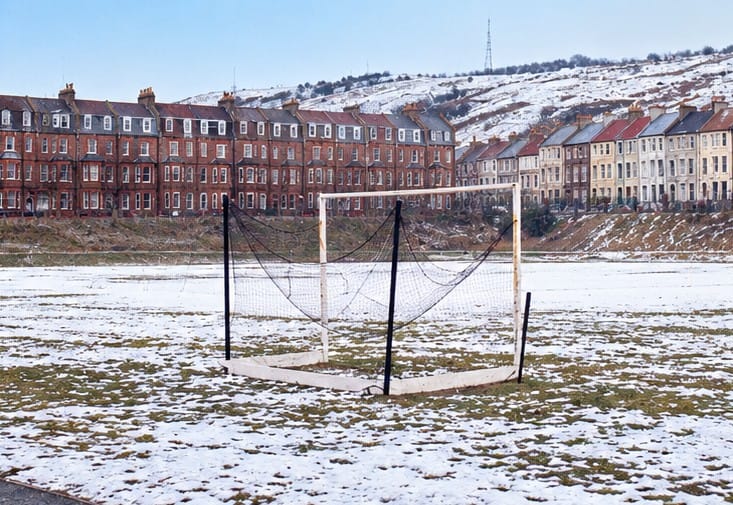
By my final year, the question was no longer simply what subjects I enjoyed, but what I was going to do with them.
By my final years at Brighton College, my collection of mathematical instruments was growing. Slide rules, compasses, protractors and rulers were the essential tools of the aspiring scientist or engineer. I still have mine today, although I suspect most youngsters would struggle to identify a slide rule, let alone use one. Back then, getting the decimal point in the right place was entirely your responsibility!
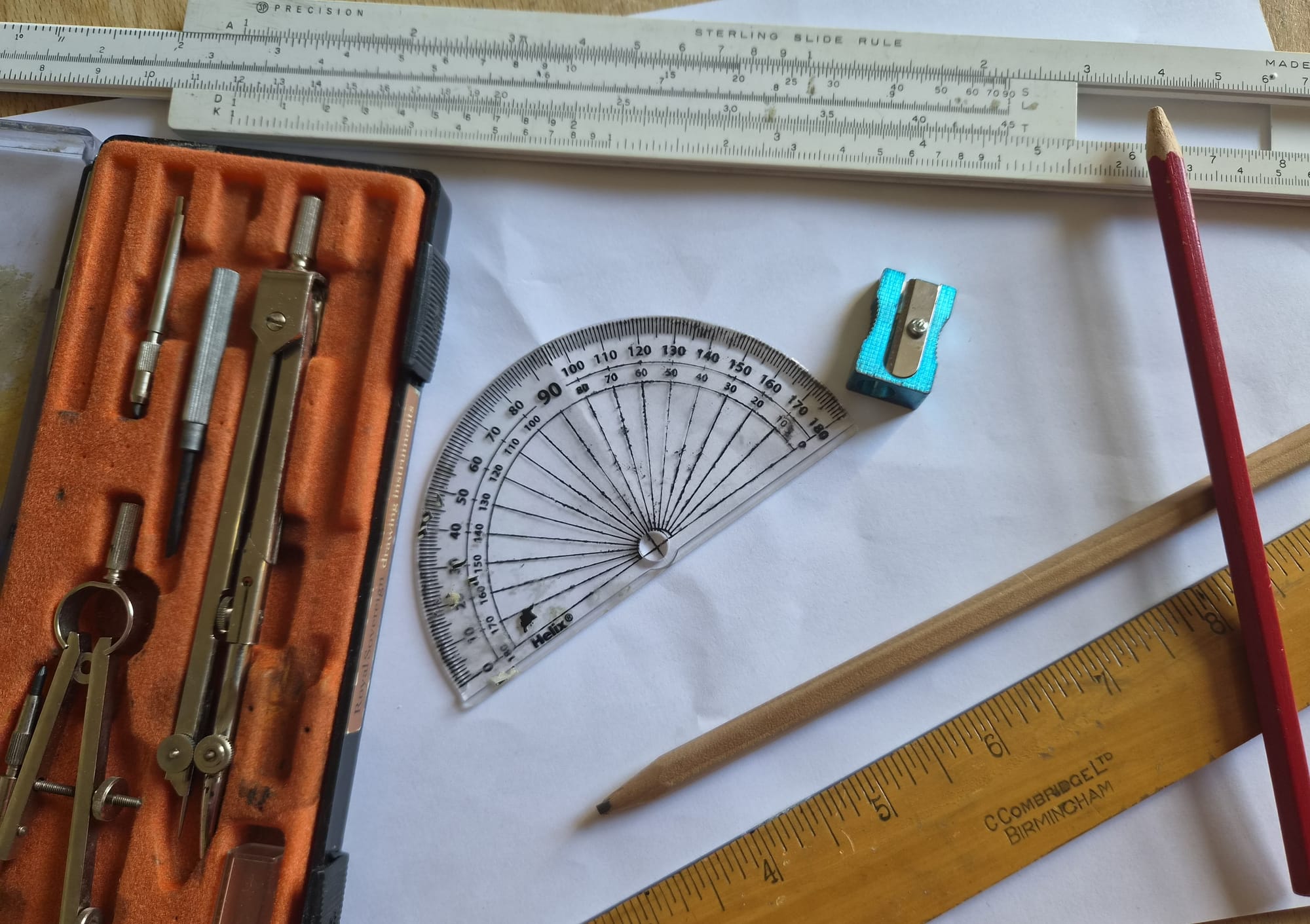
While many contemporaries were heading towards the humanities, I found myself increasingly drawn towards engineering. There was one slightly mysterious suggestion from the school careers officer that I should consider joining the police — quite what evidence supported this recommendation has been lost to history.
Engineering won.
I discovered the strange world of “sandwich degrees”, combining academic study with periods working in industry. After attending an engineering work-experience day, I knew this was the direction I wanted to take. I applied for industrial sponsorship and was fortunate enough to secure it from one of the biggest names in British manufacturing at the time — British Leyland.
In 1978, I left Brighton College for Brunel University to study Production Engineering.
My schooldays were over. Another education was about to begin.In 1978 I took my A-levels and left Brighton College for Brunel University in Uxbridge, where I began a four-year sandwich degree in Production Engineering.
My schooldays were over.
Back to School
A few years after leaving Brighton College, I returned for an Old Brightonian dinner. It was held in the magnificent wood-panelled dining hall, a room which, looking back now, would not have looked entirely out of place at Hogwarts.
Among the old boys attending that evening was the Conservative politician Cecil Parkinson, who had recently been the subject of considerable press attention over his private life.
When he rose to speak, something rather wonderful happened.
These supposedly respectable grown men, businessmen, professionals and assorted pillars of society suddenly reverted to being schoolboys. There were shouts from around the hall, followed by the banging of knives and forks on the tables. For a few moments the years simply disappeared.
There we were again.
Not distinguished Old Brightonians attending a formal dinner, but a hall full of boys making as much noise as possible while somebody tried to speak at the front.
Sitting in that grand old dining hall, surrounded by dark wooden panelling and the glorious racket of badly behaved former pupils, it felt remarkably like a scene from Harry Potter.
Except, of course, Harry Potter hadn't been written yet.
Perhaps J. K. Rowling should have attended an Old Brightonian dinner.
Looking back
More than four decades later, I still have a few objects from those school years.
A school cap and scarf.
Photographs.
An old school calendar and term programme.
Small things which have somehow survived house moves, marriage, children and the general clutter of life.
I am also an Old Brightonian and remain connected with the school's alumni community. Brighton College itself has changed enormously. Its own archive describes a school founded in 1845 whose history is now being preserved through photographs, letters, uniforms, programmes and the memories of former pupils.
Perhaps that is partly why I wanted to write these memories down.
My education crossed two continents and several very different worlds.
I went from speaking Gujarati and Swahili in tropical Tanga, to English lessons in the Usambara Mountains, to a traditional school beside the English Channel.
I went from khaki shorts to a blue blazer.
From Dinky-car rallies to cricket.
From hyenas outside the school fence to seagulls stealing food on Brighton seafront.
And from Indian snacks smuggled into boarding school by my mother to English tuck boxes filled with chocolate.
And now another generation
Today I live in Manchester with my wife and our daughter.
Watching my daughter complete her own A-levels has inevitably made me think about the education my brothers and I received.
I was extraordinarily fortunate.
My parents made enormous decisions and sacrifices to give us opportunities they believed would prepare us for life. Behind them stood my grandfather's belief that education could transform people's prospects.
But watching the next generation has taught me something else.
A good school can open doors.
Parents can provide encouragement.
Teachers can inspire.
Money can provide opportunities.
But none of those things can sit an examination for you.
My daughter's achievements have come from her own determination, curiosity and hard work. That has made me reconsider my own education and recognise just how much opportunity I was given before I was old enough to understand its value.
Perhaps that is the real lesson running through my school story.
Education isn't simply what happens inside a classroom.
It is the people you meet, the places you encounter, the mistakes you make, the cultures you cross and occasionally the things you survive.
In my case, that included malaria, boarding-school food, corporal punishment, a playground bully and hyenas.
Today's pupils have smartphones and artificial intelligence.
We had Dinky cars attached to pieces of string.
I'm still not entirely convinced they have the better deal.
Written by Zainul Sachak, 4th October 2026