The "Battle of the Bees"
Tanga, 1914 - When the British Empire Met Its Match in East Africa
I was born in the early 1960s in Tanzania, East Africa, near the seaside town of Tanga. Imagine standing on the shores of Ras Kasone, where my parents once resided, a few years later. It is hard to believe that one of the First World War's most spectacular battles occurred there.
The Indian Ocean laps gently against the beach. Fishermen haul in their catches. Children play in the sand. Palm trees sway in the warm sea breeze.
Yet in November 1914 those same beaches witnessed fear, confusion, courage, death, and one of the most humiliating military defeats in British history.
It is a story that has always fascinated me because it is intertwined with my own family history.
A Young Gujarati Boy and a New World
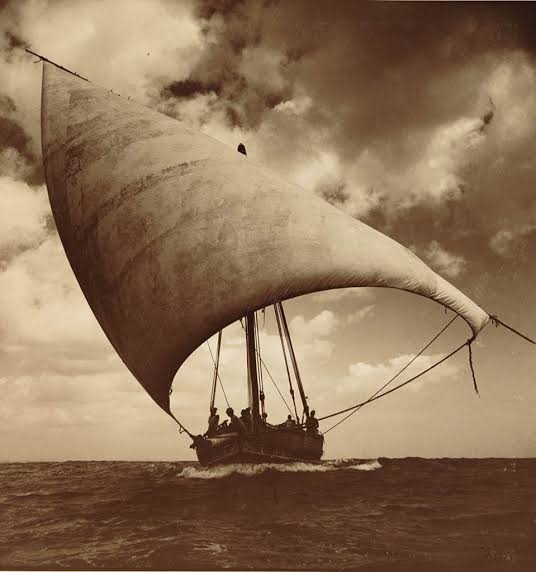
My grandfather, Taibali Essajee Sachak, had arrived in German East Africa just four years earlier. In 1910, aged only fourteen, he sailed across the Indian Ocean in a dhow from Mandvi in Kutch with his uncle in search of opportunity and adventure.
Like many young men from Gujarat, he had left behind drought, uncertainty and limited prospects. East Africa offered something different. It offered possibility.
When he first arrived, German East Africa was one of the most ambitious colonial projects in Africa. The Germans had transformed the small coastal town of Tanga into a thriving port and administrative centre. They built roads, warehouses, government offices and, most importantly, the Usambara Railway that linked the harbour with the fertile interior. Sisal plantations were spreading across the countryside, and ships carried the valuable fibre to Europe where it was turned into rope and industrial products. Tanga had become one of the most important ports in East Africa.
My grandfather admired what he saw.
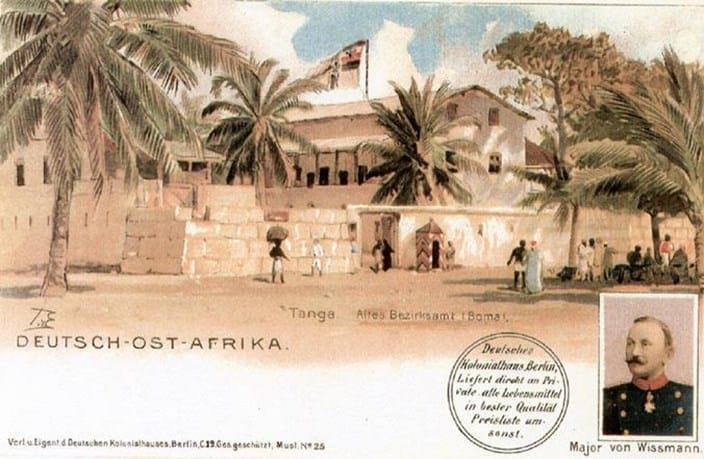
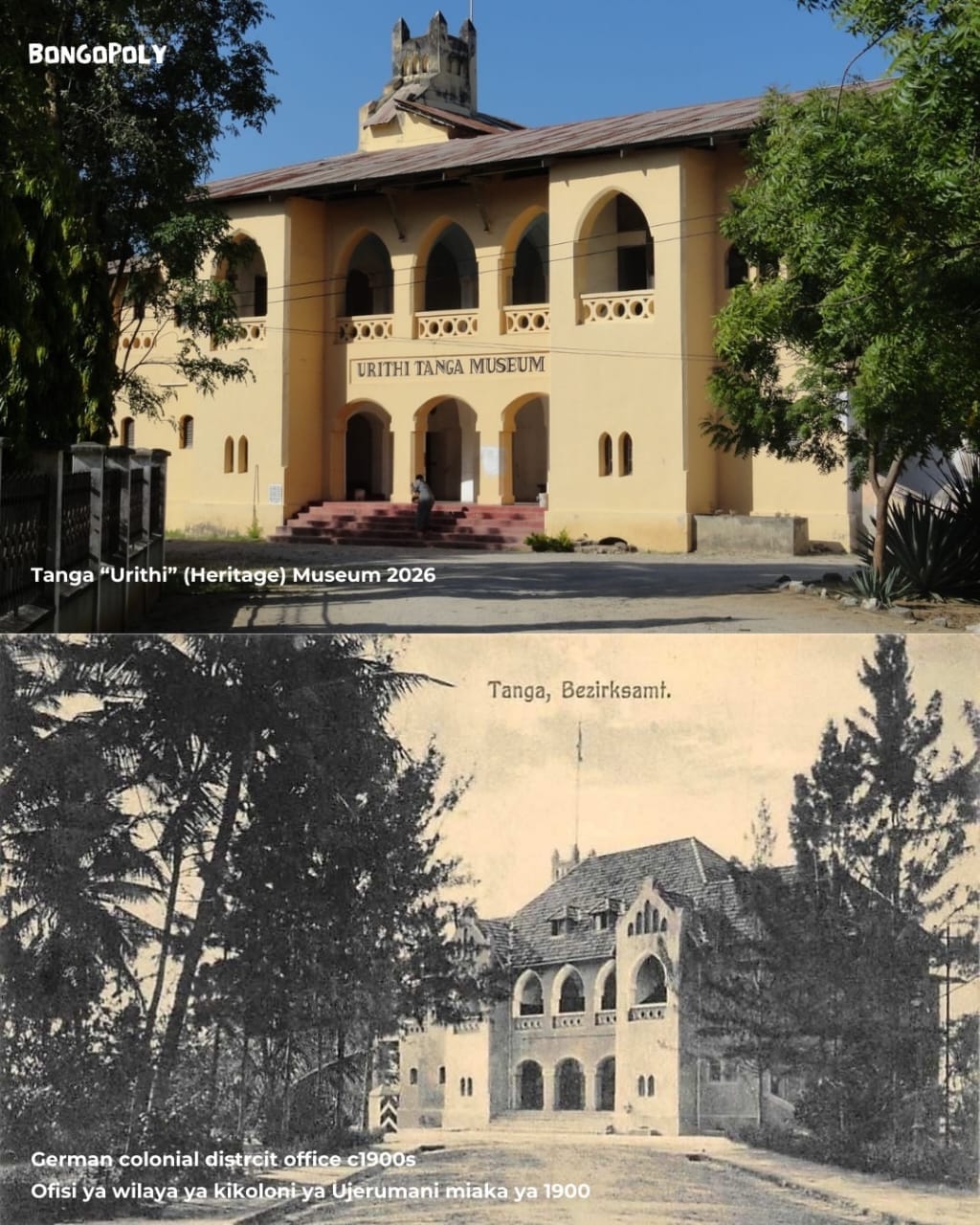
Throughout his life he often spoke about German efficiency, discipline and organisation. Everywhere he looked there was evidence of it. Many of the sturdy German-built buildings still stand today, over a century later, and whenever I look at photographs of them, I wonder whether my grandfather walked past those same buildings as a teenager trying to find his place in a new world.
When Europe's War Reached Tanga
Then Europe went to war.
In August 1914, the First World War erupted thousands of miles away. What began as a conflict between European powers quickly spread across the globe. German East Africa suddenly found itself isolated and vulnerable. The British Empire controlled neighbouring Kenya and possessed one of the world's most powerful navies. Military planners in London assumed that conquering the German colony would be straightforward.
They were wrong.
As my grandfather walked the streets of Tanga in late October 1914, thousands of miles away in Bombay, nearly 8,000 soldiers were boarding ships bound for East Africa. Many were young Indian sepoys who had never seen the sea before. Packed into crowded troopships, seasick and exhausted, they crossed the Indian Ocean from Bombay towards a place they had never heard of. They could not have known that within weeks they would be fighting and dying on the beaches below my grandfather's new home.

The Invasion That Announced Itself
While Major-General Arthur Aitken commanded the British invasion force on land, the naval operation was overseen by Captain Francis Wade Caulfeild, commanding the Royal Navy cruiser HMS Fox.
On 2 November 1914, Caulfeild entered Tanga harbour and issued an ultimatum to the German district commissioner, Dr Auracher: surrender the town or face bombardment. Unfortunately for the British, this rather courteous advance warning gave the Germans precious time to organise their defences.
To make matters worse, Caulfeild became concerned that the harbour had been mined. The German commissioner did little to discourage this belief, although the harbour was not actually mined. The resulting delays allowed messages to reach Lieutenant Colonel Paul von Lettow-Vorbeck, who began moving reinforcements towards Tanga.
One might reasonably ask whether announcing your intentions to the enemy before launching a surprise invasion was the finest example of British naval strategy!
Although Caulfeild was responsible for the naval arrangements and supporting the troop landings, the overall conduct of the assault remained Aitken's responsibility. Poor coordination between the army and navy, compounded by delays and inadequate reconnaissance, helped turn what should have been a formidable British operation into a military catastrophe.
The British invasion force arrived in an armada of ships along the coast of Tanga. Their objective was simple: capture Tanga, seize the harbour, take control of the railway and begin the occupation of German East Africa.
For the defenders, the situation looked hopeless.
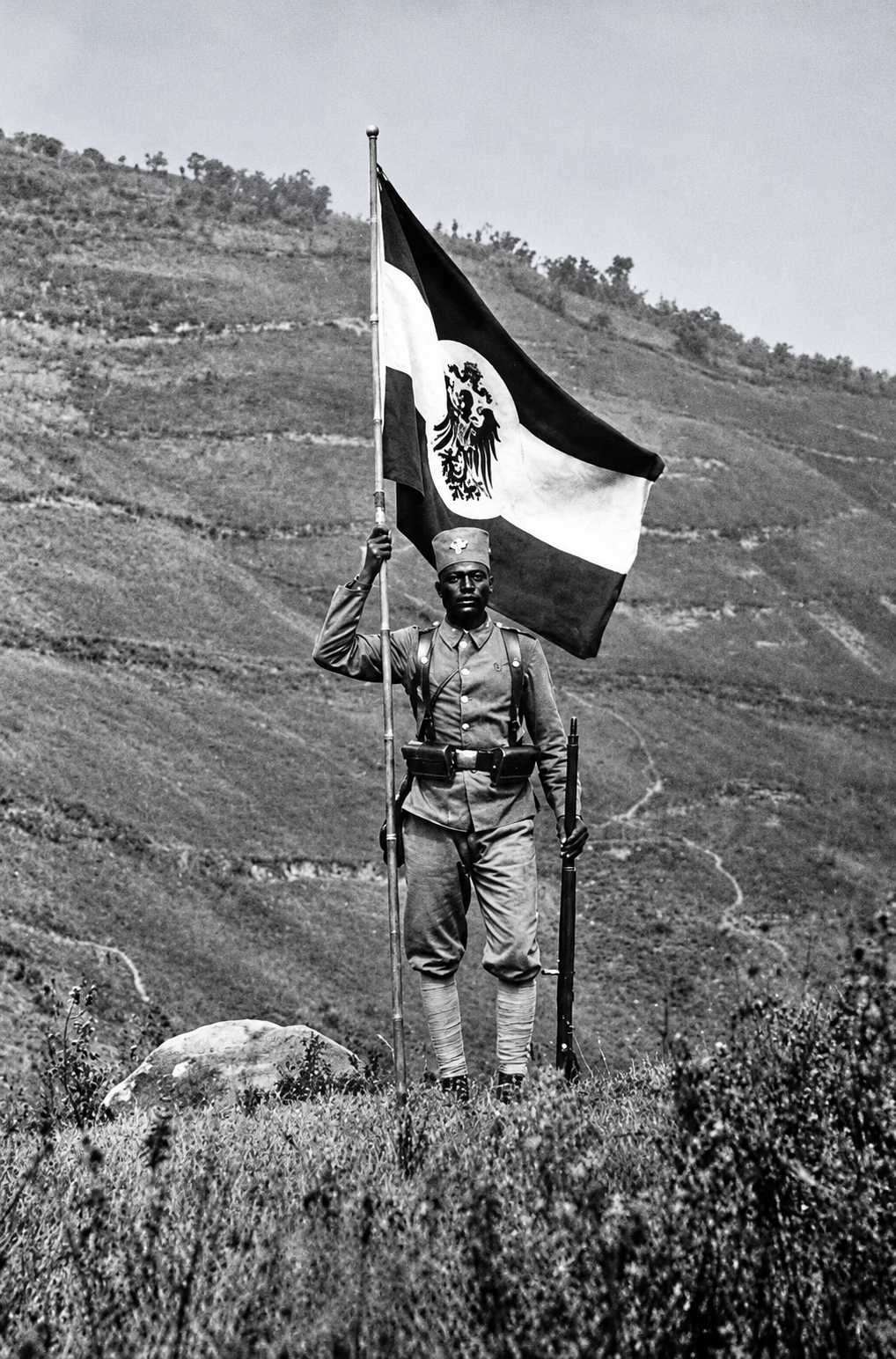
The German commander, Lieutenant Colonel Paul von Lettow-Vorbeck, had only a small force of German officers and African Askaris.
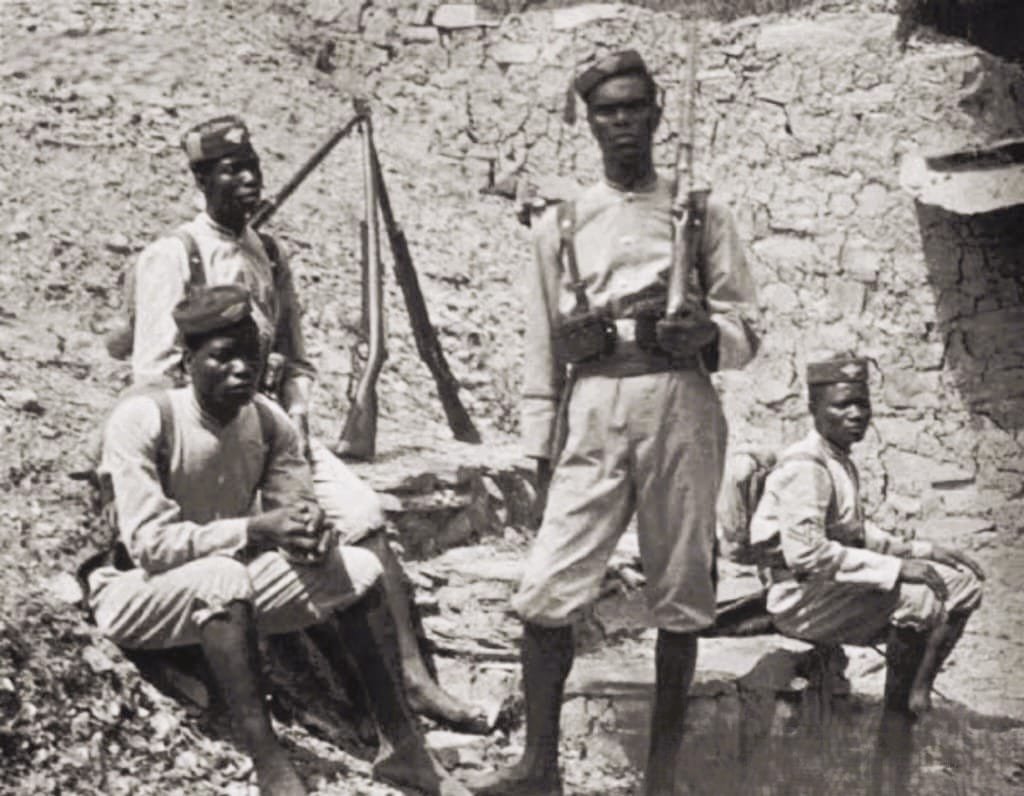
Outnumbered by almost eight to one, most commanders would have prepared for defeat. Lettow-Vorbeck had other ideas. He knew the land, trusted his Askaris and understood that surprise, speed and determination could outweigh superior numbers.
The Empire Arrives at Tanga
On 2 November 1914, British warships appeared off Tanga.
Four years earlier, my grandfather had arrived on these shores aboard a wooden dhow, powered by little more than the wind and the experience of its sailors. Now, in November 1914, the horizon was filled with British warships and troop transports, representing one of the mightiest empires the world had ever known.
One journey had brought a young Gujarati boy seeking a better life. The other brought thousands of soldiers, preparing to fight a war that had begun thousands of miles away.
Both would leave their mark on Tanga. But only one would eventually lead to the Sachak family calling this town home.
Remarkably, instead of launching an immediate attack, the British commander informed the Germans that an invasion was about to take place. It was one of several extraordinary mistakes that would shape the battle. The warning gave the Germans precious time to reinforce their defences by rushing Askari troops to Tanga on the railway from Moshi.
I often wonder where my grandfather was on the morning the invasion fleet appeared. Was he working in a shop? Walking through the market? Standing on the waterfront? News travelled quickly in colonial towns, and nobody could have missed the sight of warships and troop transports gathering offshore.
For a fourteen-year-old boy from Kutch who had arrived only four years earlier, it must have been both terrifying and fascinating.
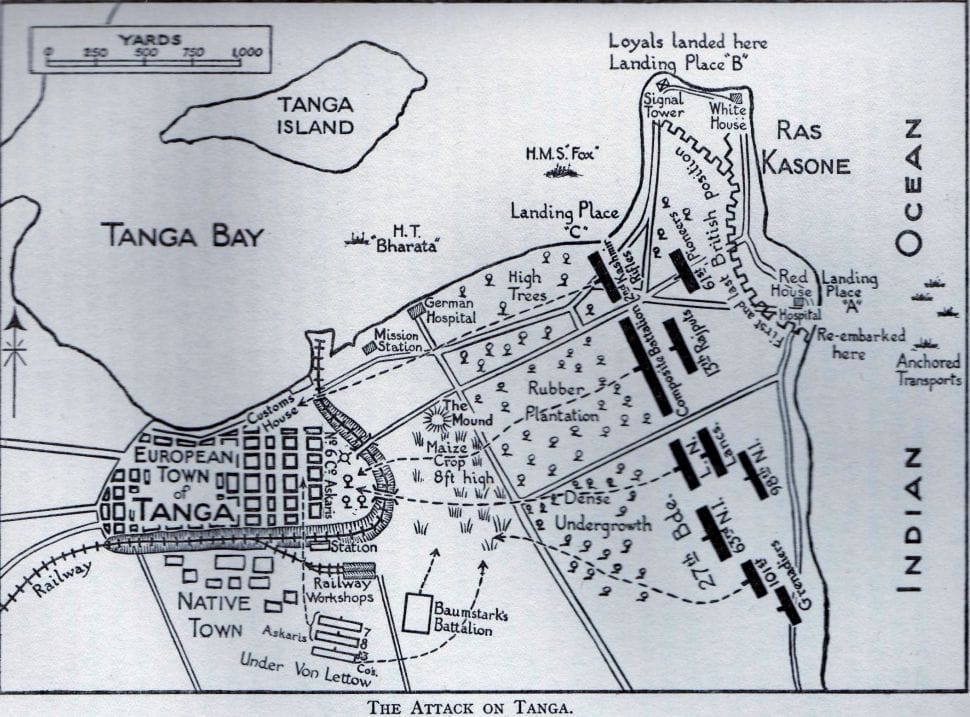
The following day British troops began landing on the beaches of Ras Kasone.
Whenever I think about this moment, I cannot help but smile at the strange twists of history.
Many years later, my family would build houses in this very area.
The place where soldiers struggled ashore carrying rifles and ammunition became the place where children played football, neighbours chatted in the evening sunshine and families gathered for celebrations.
History has a curious sense of humour.
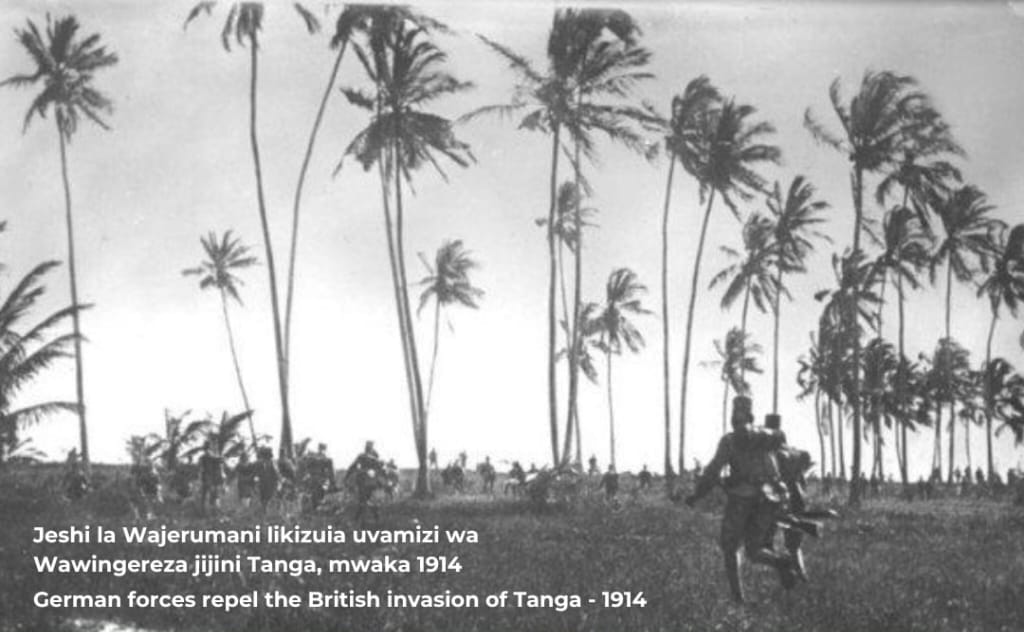
The British expected little resistance. Instead, they encountered determined Askari soldiers firing from dense vegetation, railway cuttings and hidden defensive positions. Machine guns tore through advancing formations. Communication broke down. Units became separated. Officers lost control. Confusion spread across the battlefield.
What fascinates me today is that the battle was not fought in some distant wilderness. It was fought among the railway lines, roads, plantations and buildings that shaped everyday life in Tanga. The German Hospital still stands. In fact, I was born there. The railway cutting remains visible. The beaches are still there. History is not hidden in a museum. It sits in plain sight.
And Then Came the Bees!
Then came the bees.
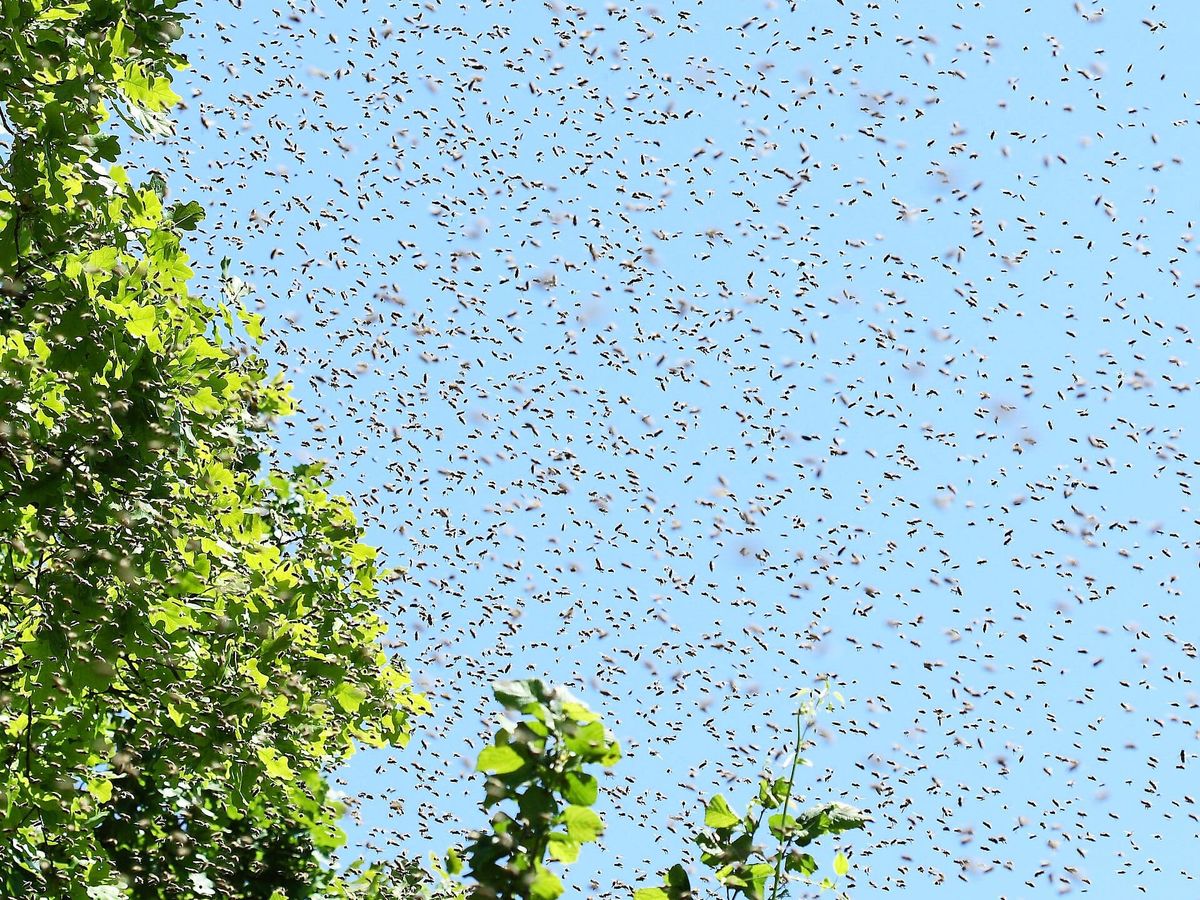
One of the most famous and bizarre episodes of the entire First World War occurred when gunfire disturbed numerous beehives hanging in the trees around Tanga. Swarms of angry bees descended upon soldiers on both sides. Men fled in panic. Some dropped their rifles. Others threw themselves into bushes or ran towards the sea. The insects showed no loyalty to either empire.
For generations afterwards, the battle became known as "The Battle of the Bees."
The fighting raged through plantations, scrubland and the outskirts of the town. Again and again the Askaris counter attacked. Again and again the British failed to coordinate their superior numbers.
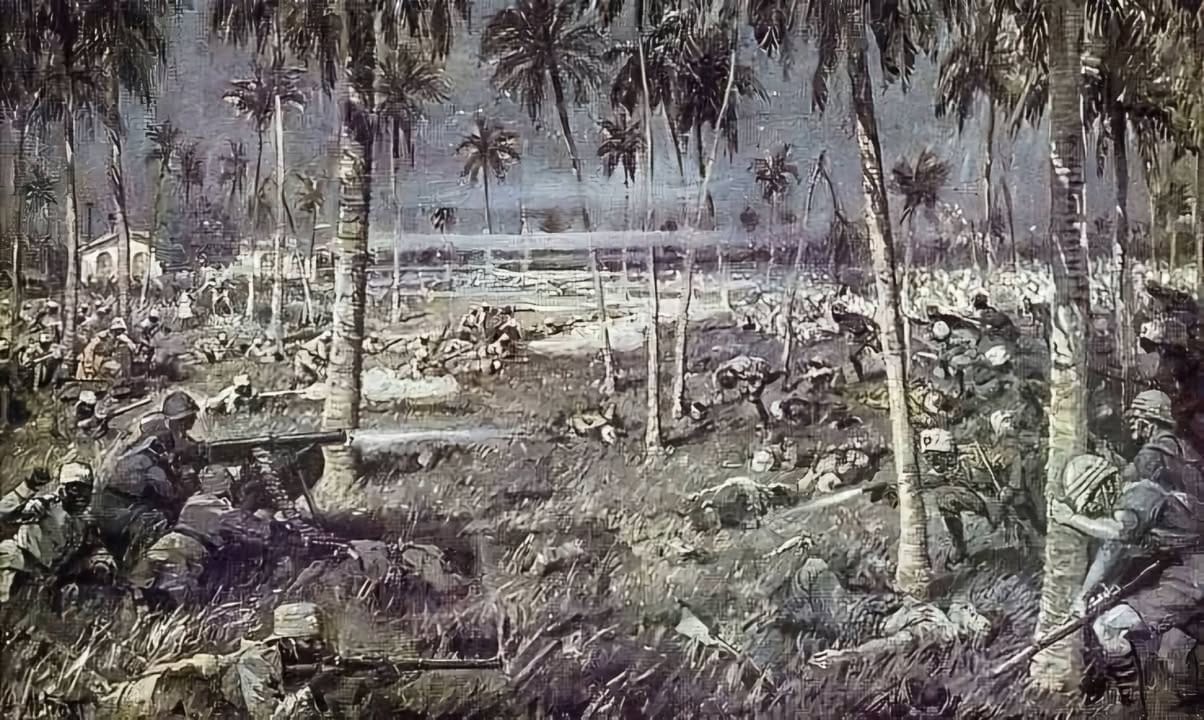
The remarkable thing about the battle is that many of the Indian sepoys fought bravely despite dreadful leadership. Many had spent weeks cramped aboard transport ships. Some had never seen combat. Some had never even used machine guns before. Yet numerous accounts describe acts of extraordinary courage under fire. Unfortunately, after the defeat, much of the blame was unfairly placed upon the Indian soldiers rather than the officers who had led them into disaster.
From Invasion to Humiliation
By the end of the battle, the British force had collapsed.
The invasion became a retreat.
Under cover of darkness, troops scrambled back towards the beaches and boats waiting offshore. Weapons, ammunition, medical supplies, food, tents, blankets and machine guns were abandoned in enormous quantities. The Germans could scarcely believe their luck. Not only had they won, but they had also acquired enough equipment to strengthen their army for years to come.
The victory transformed von Lettow-Vorbeck into a legend.
The Battle of Tanga became one of the most famous German victories of the war and one of the most embarrassing defeats suffered by the British Army. Historians still describe it as one of Britain's greatest military blunders. The most extraordinary part of the battle is that the Germans themselves believed they might lose. At one point they withdrew from the town, expecting the British to occupy it. Yet confusion, hesitation and poor leadership prevented the British from taking advantage. Victory slipped through their fingers without them realising it.
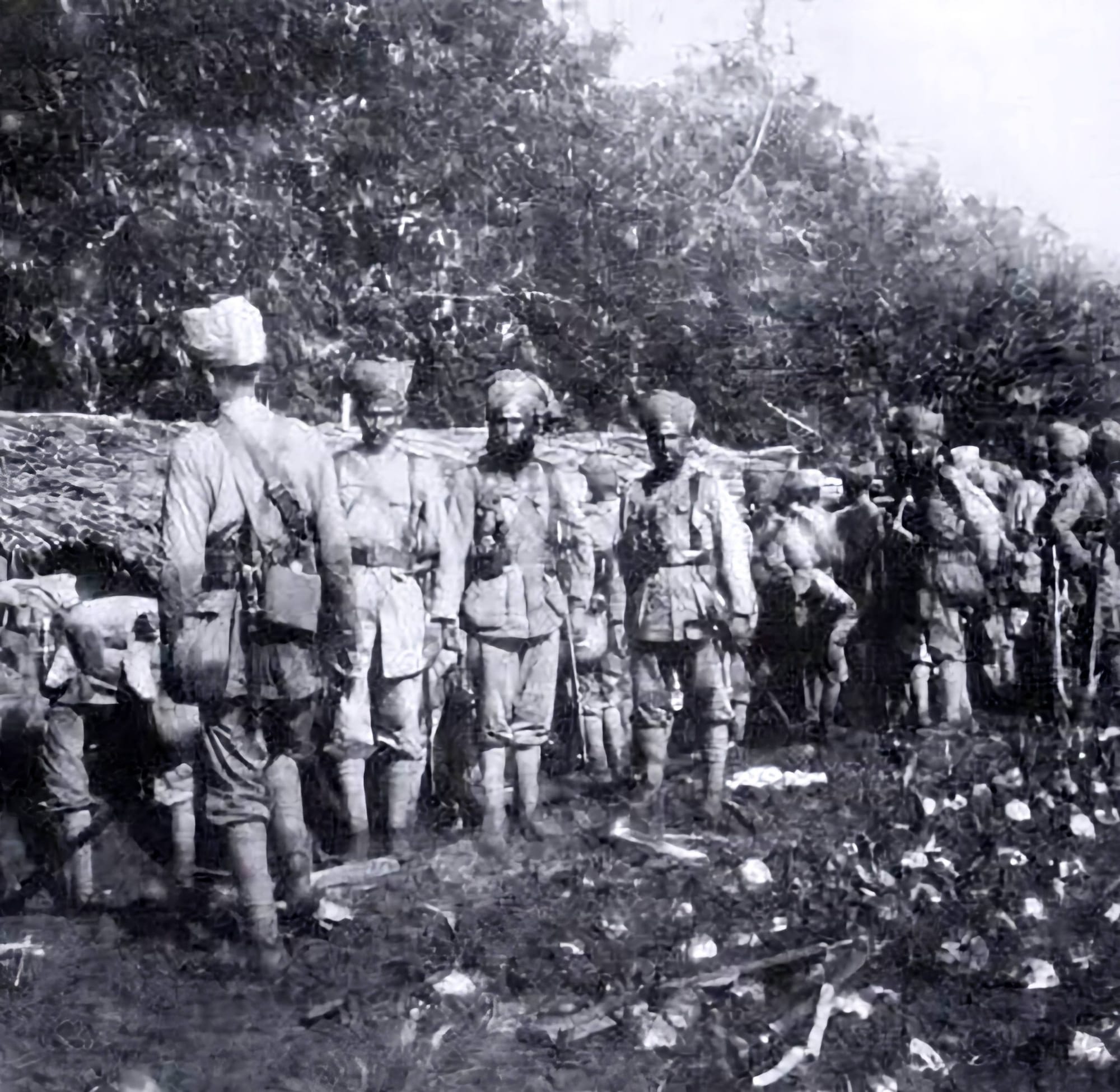
There is another irony in this story. The young boy from Gujarat who would become my grandfather was watching events unfold in Tanga while thousands of other young men from India, many of whom were Rajputs, Kashmiris, Grenadiers and Pioneers serving under British command, were landing on the beaches below. They came from different regions and spoke different languages, yet they shared a common homeland. Some would never return to India. Their graves remain in East Africa to this day.
From Battlefield to Family Legacy
As for my grandfather, life carried on.
The war eventually swept through East Africa. By 1916 British forces occupied Tanga, and German rule came to an end. After the war, Tanganyika became a British-administered territory. Yet much of what the Germans had built remained.
The railway still ran. The port still operated. Sisal plantations continued to flourish.
Those foundations helped shape my grandfather's future.
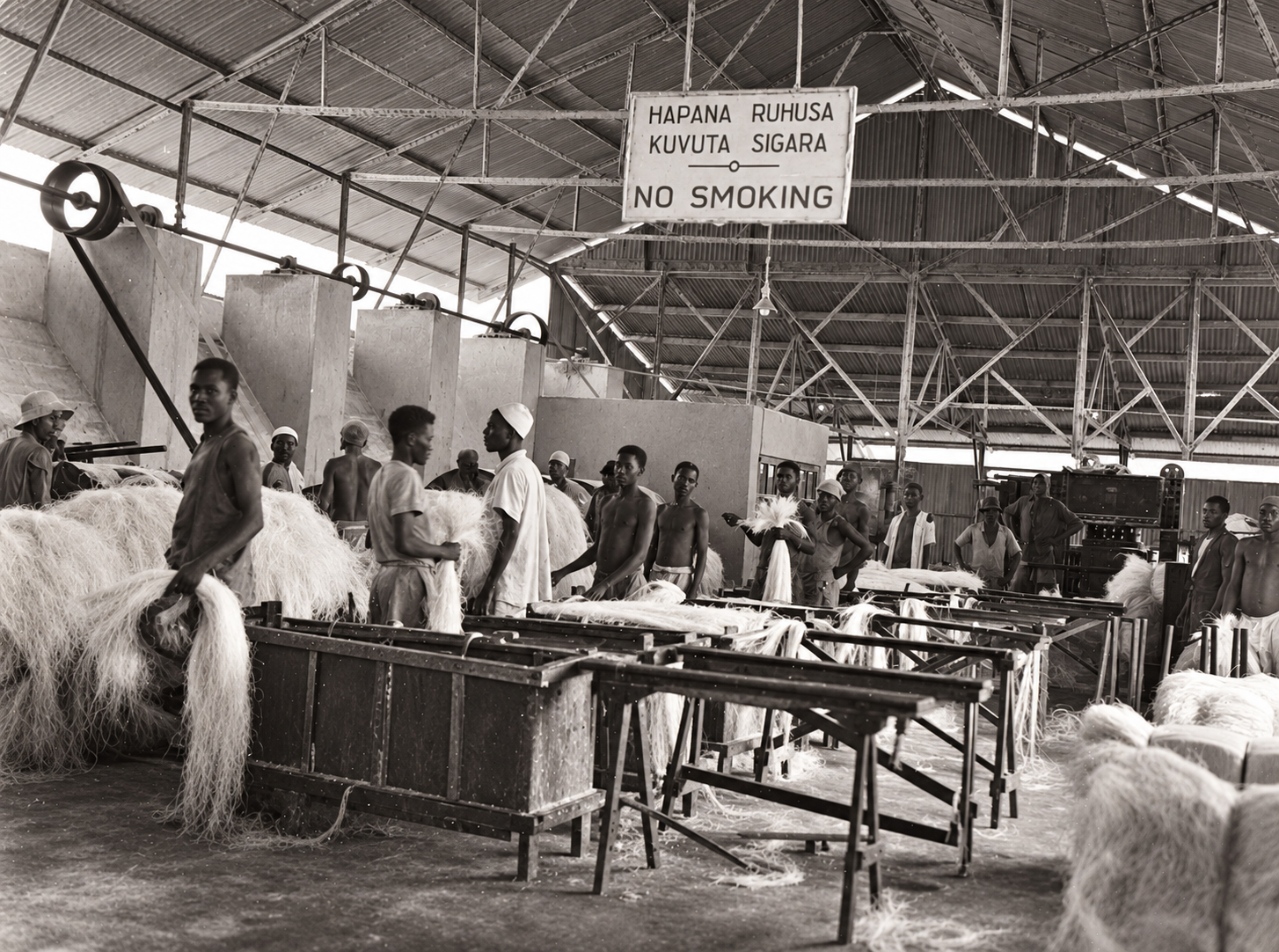
Over the following decades he built a successful sisal export business trading with customers around the world, including Germany. Although political control had changed, commercial relationships endured. The same railway that carried German exports before the war now carried sisal from plantations connected to his growing business. The same harbour that witnessed invading armies now shipped thousands of tonnes of fibre to Europe.

Nearly half a century after the battle, I entered the world in Tanga in August 1960.
When I was born, Tanganyika stood on the threshold of independence. Within sixteen months British rule would end, and Julius Nyerere would lead the country into a new era. On 9 December 1961, Tanganyika became an independent nation.
Whenever I think of Ras Kasone, I imagine the scene on the morning of 5 November 1914. The beach was crowded with wounded soldiers, frightened porters, abandoned equipment, and exhausted men waiting for rescue. Rifles, ammunition, medical supplies and machine guns lay scattered in the sand. The same stretch of coastline where my family would later build homes was once covered with the debris of a defeated army.
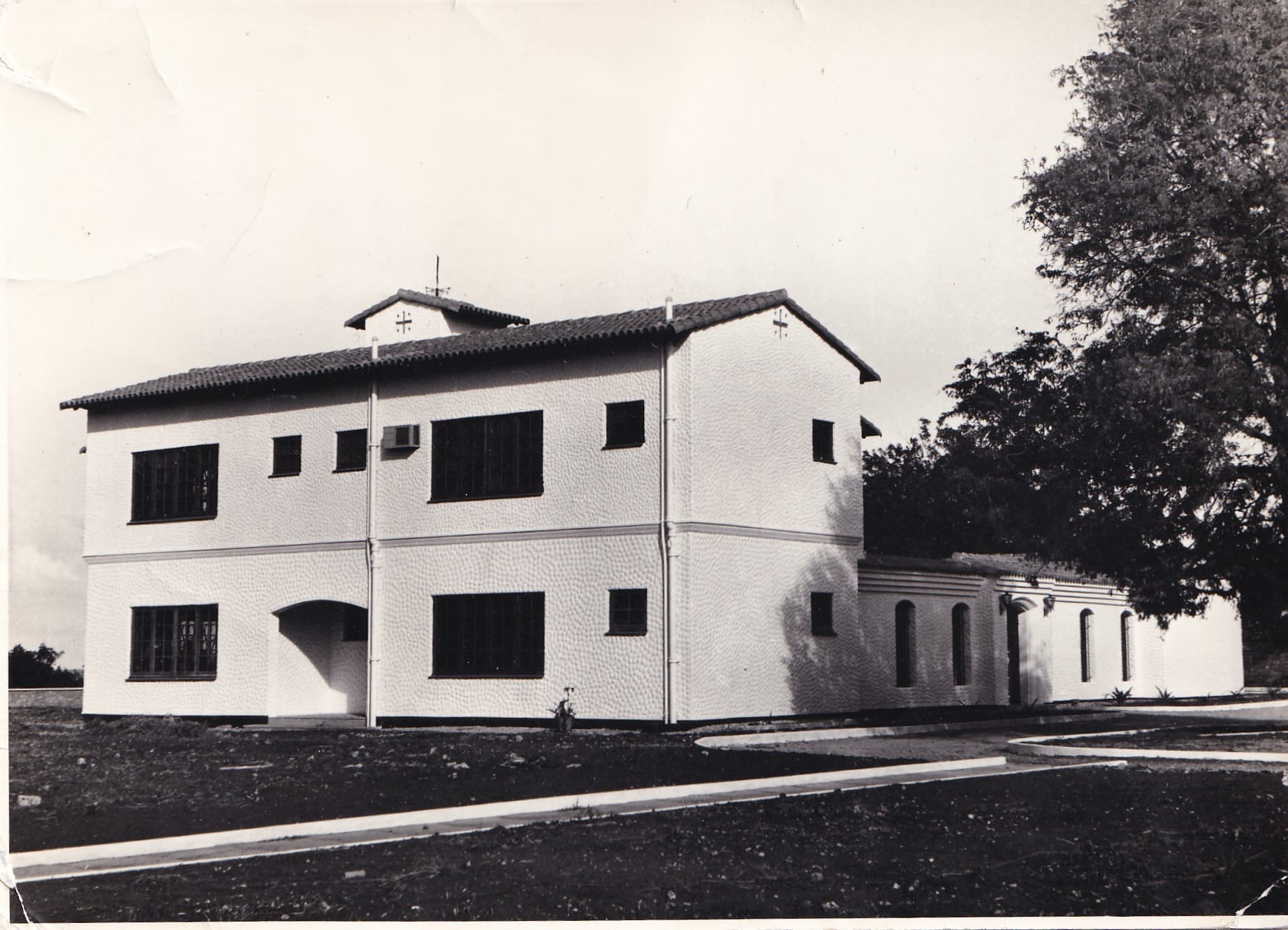
Looking back now, I sometimes wonder what my grandfather thought when he walked along the beaches of Ras Kasone.
Did he remember the stories of frightened soldiers running towards the sea?
Did he think about the Askaris who had defended the town?
Did he imagine that one day his grandchildren would live on the very ground where empires had collided?
Perhaps not.
But that is the magic of family history.
A young boy arrives from Gujarat in a wooden dhow.
Four years later a world war erupts on his doorstep.
A famous battle is fought on the beaches beside his new home.
The colonial rulers change.
A business grows.
A family prospers.
Children are born. As youngsters, we played on those beaches without giving much thought to what had happened there half a century earlier. We swam in the sea, explored the shoreline and wandered around Ras Kasone. Only later did I realise that beneath our feet lay one of the most important battlefields in African history. The soldiers were gone. The guns were gone. Even the trenches had disappeared. Yet the story remained.
The waves that rolled onto the beach in my childhood were the same waves that had greeted the invasion fleet in November 1914. History had not vanished. It had simply become part of the landscape.
And somewhere beneath the streets, houses and palm trees of modern Tanga lies the memory of those extraordinary days in November 1914 when the fate of an empire was decided by courage, confusion, determination and, remarkably, a swarm of bees.
For anyone interested in learning more about this remarkable episode, there is an excellent documentary on YouTube that brings the story of the Battle of Tanga vividly to life. https://youtu.be/uRz-eHW-5XQ?si=6urp-uPR4dai69Bm
Watching it while looking at old photographs of Tanga and Ras Kasone makes the events feel surprisingly close, even after more than a century.
“History had not vanished. It had simply become part of the landscape.”
Written by Zainul Sachak , 26th June 2026