My Cricketing Journey: From the Usambara Hills to the Cheshire Plains
From dreaming of cricketing glory in Tanzania to rebuilding a village cricket pavilion in Cheshire — a lifetime of willow, leather, wonderful characters and the occasional duck!
A Young Boy Discovers Cricket in Tanzania
My love affair with cricket began in the late 1960s, when I was a young boy attending a Catholic boarding school nestled in the beautiful Usambara Mountains of Tanzania.

At the tender age of nine, I quickly discovered that hitting a cricket ball was infinitely more enjoyable than being sent on long runs through the surrounding hills. Running uphill seemed a particularly pointless exercise when one could stand at the crease, wield a bat and occasionally send a ball disappearing into the distance.
Well, that was the theory!
There was nothing particularly sophisticated about our cricket in those days. We played for the sheer enjoyment of the game, the camaraderie and the excitement of competing as a team.
Little did I realise that this modest introduction to cricket would develop into a lifelong passion, taking me from the hills of Tanzania to the great cricket grounds of England, the historic clubs of India and eventually a rather ramshackle pavilion overlooking a picturesque Cheshire mere.
Brighton, Boycott and the Great West Indies
In 1971, my parents sent my younger brothers and me to boarding school in England.
Our destination was Brighton College Junior School, conveniently located not far from the seafront. Having exchanged the warmth of East Africa for what seemed like the Arctic conditions of the English South Coast, I gradually acclimatised to my new surroundings.
Cricket soon became one of my favourite school activities.
Over the following years, my enthusiasm grew considerably, and I eventually managed to secure a place in the school's Second XI.
Now, I would love to claim that I was a swashbuckling batsman in the mould of the great Vivian Richards, dispatching bowlers to all corners of the ground.
Sadly, the reality was somewhat different.
My batting style was closer to that of Geoff Boycott, patient, cautious and determined to remain at the crease, even if the spectators were beginning to contemplate going home for their tea!
When I moved into the senior school, I played for the Third XI against other boarding schools, including Ardingly, Lancing, Epsom and Whitgift. I also represented Leconfield, my school house, in inter-house competitions.
Such was my enthusiasm that I even volunteered to score matches for the First XI.
Looking back, perhaps I was simply preparing myself for the inevitable realisation that my future was more likely to involve recording runs than scoring them!
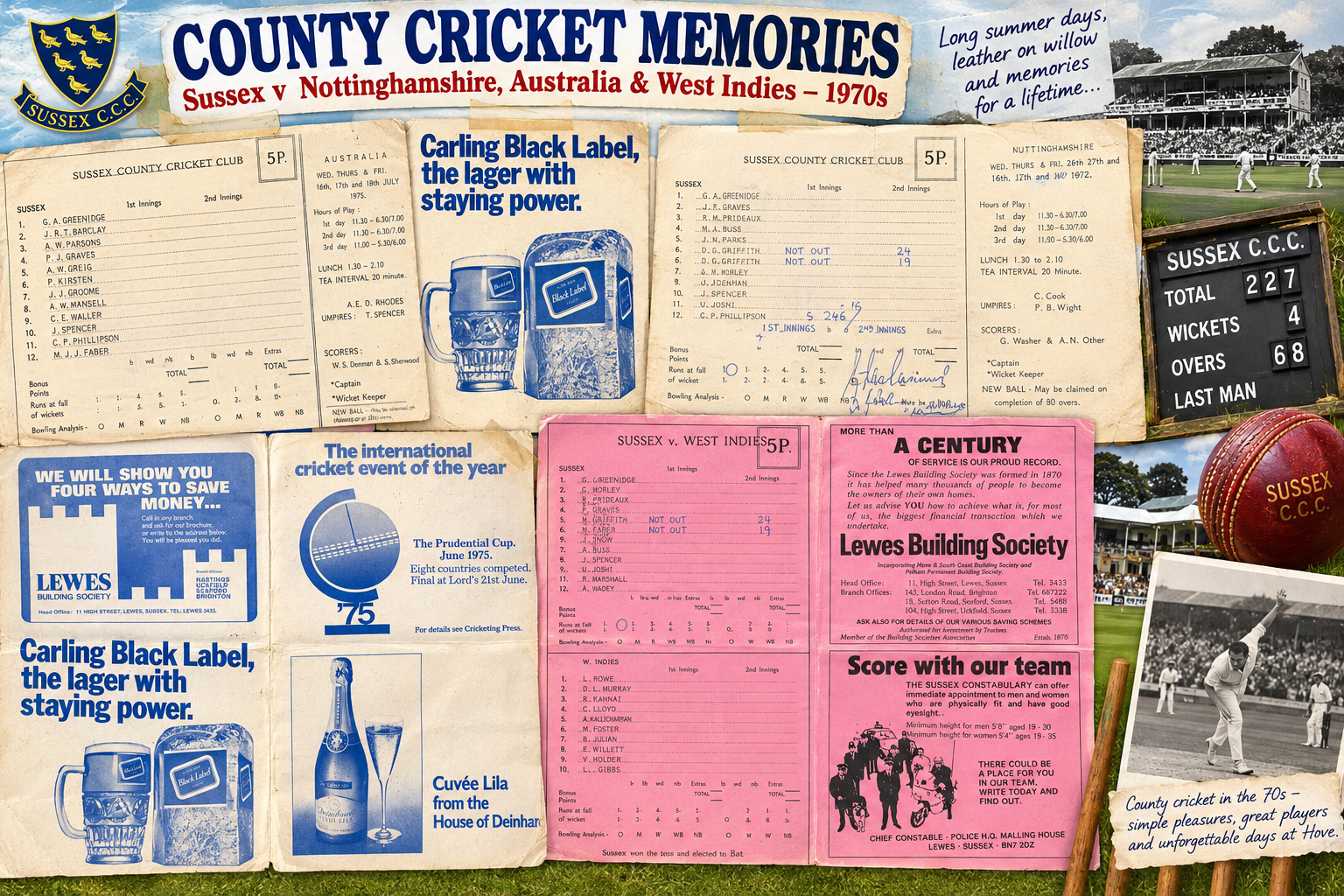
During my schooldays in Brighton, I became a member of Sussex County Cricket Club and had the opportunity to watch county and international touring sides playing at Sussex County Cricket Club's ground in Hove. I recently rediscovered some of the original scorecards I had kept from those visits, including matches against Nottinghamshire, Australia and the West Indies.
Looking at them now, I am struck not only by the names of the players and my handwritten scores, but also by the advertisements on the reverse. Beer, building societies and financial services, all competing for the attention of cricket spectators!
Who would have thought that these inexpensive little scorecards, tucked away for more than fifty years, would become such wonderful reminders of those carefree summer afternoons?
These were wonderful times to be a young cricket enthusiast.
Sussex boasted some remarkable players, including the lanky England captain Tony Greig, the formidable fast bowler John Snow and the charismatic Pakistan captain Imran Khan.
Imran was not only a magnificent cricketer but also something of a celebrity on the Brighton and London social scene. His appeal, I suspect, extended rather further than the cricket boundary!
I also watched visiting international teams play against Sussex, sometimes in the one-day Gillette Trophy competitions.
At the end of play, I would hover hopefully around the pavilion, autograph book in hand, waiting for an opportunity to approach the great players.
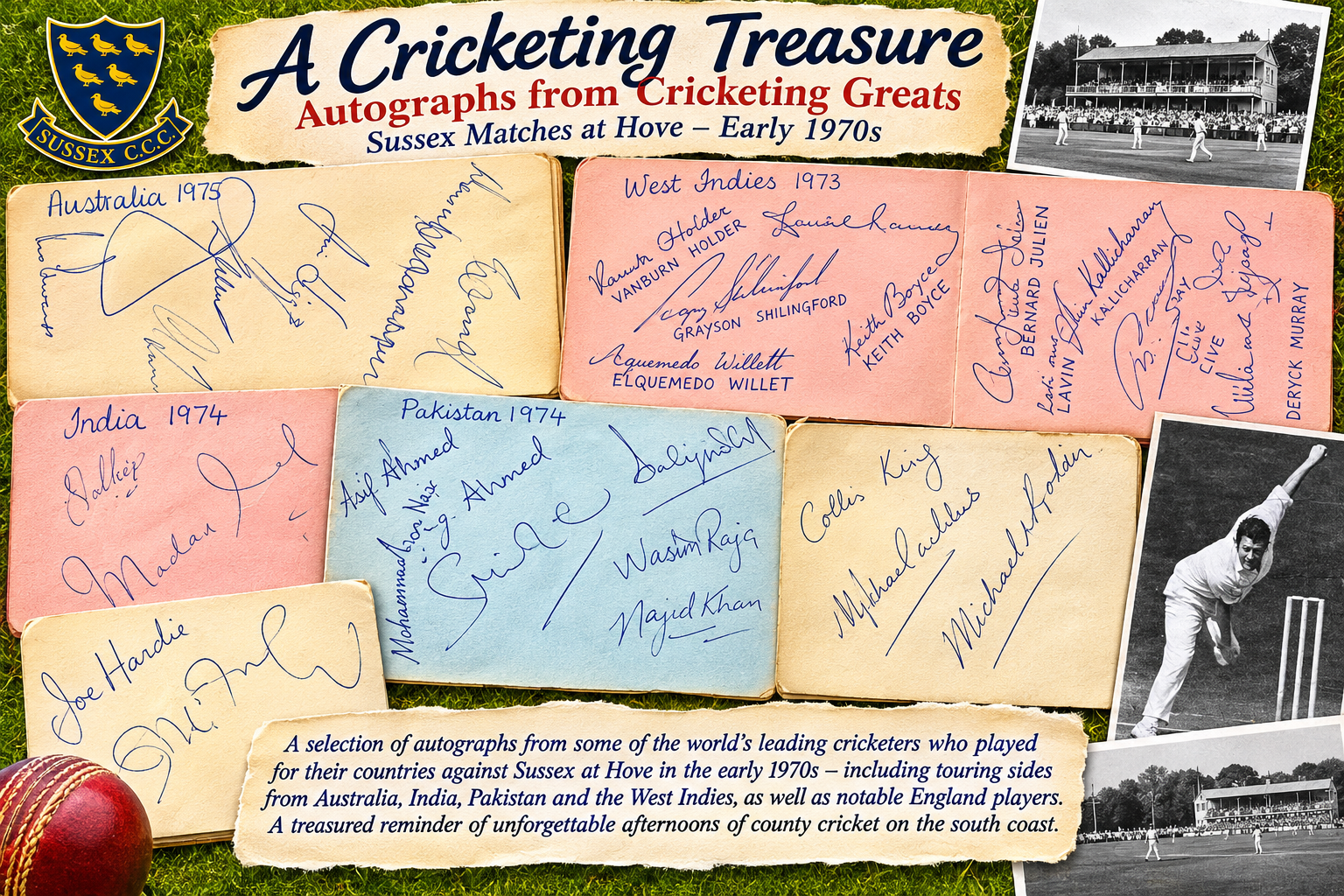
Over time, I collected the signatures of several famous cricketers. That autograph book remains one of my treasured possessions.
When the West Indies Ruled the World
My cricketing obsession was not confined to actually playing the game.
I could happily spend an entire day watching Test cricket on BBC television, from the first ball in the morning until the final over in the evening.
Occasionally, I even kept my own scorecard while watching.
My father, fortunately, was equally passionate about cricket, so there was little danger of anyone switching the television over to something more entertaining!
We also attended Test matches at Lord's and The Oval in London.
One of my most vivid memories was watching England take on the mighty West Indies at The Oval.
Those were the golden years of Caribbean cricket.
The West Indies produced an extraordinary collection of players, including Gary Sobers, Rohan Kanhai, Clive Lloyd, Vivian Richards and a succession of fearsome fast bowlers.
Their batting was breathtaking. Boundaries seemed to arrive with alarming regularity, while their fast bowlers charged towards the batsmen with an intensity that bordered on terrifying.
And remember, this was an era before protective helmets became commonplace.
Watching a West Indian fast bowler send a short-pitched delivery whistling past a batsman's head was enough to make any aspiring cricketer reconsider his career prospects!
But what I remember most fondly was the atmosphere among the West Indian supporters.
In those days, spectators could sit on the grass near the boundary. I joined groups of Caribbean fans who had brought along food, drink and an infectious enthusiasm for the game.
There was laughter, singing, good-natured banter and a carnival atmosphere.
It was a wonderful demonstration of how sport could bring people together across different backgrounds and cultures.
Even now, decades later, I can almost hear the cheers as another thunderous boundary raced across the outfield.
A Royal Connection — Well, Almost!
Long before I arrived in Brighton, one of India's most celebrated cricketers had already made his mark on Sussex cricket.
Mansoor Ali Khan, better known as the Nawab of Pataudi, was born into Indian royalty and educated at Winchester College, where he became an outstanding schoolboy batsman. He went on to Oxford University, played for Sussex and eventually captained India.
In 1961, his promising career nearly ended when he suffered a serious eye injury in a car accident in Hove. Remarkably, he overcame the loss of vision in one eye to become one of India's most respected Test captains.
But here comes the curious family connection.
Decades later, my nephew, Alex Sachak, attended Winchester College, where he too developed a passion for cricket and represented the school in numerous matches. Meanwhile, my parents moved to Hyderabad in the 1980s, another city with strong connections to Pataudi's cricketing career.
Sadly, our paths never crossed. My parents never saw him play, and Alex arrived at Winchester long after the Nawab's schoolboy exploits.
Still, it's rather amusing to think that a royal Indian cricketer, my nephew and my parents should have these unlikely geographical connections.
Perhaps cricket really does run through the family, although, regrettably, the royal titles and Test batting averages appear to have passed us by!
A Future Cricket Legend in My Father's Flat!
One of the more unexpected cricketing encounters during my Brighton years occurred rather closer to home.
My father owned several luxury apartments in Hove, usually rented to families.
One year, however, one of the flats was occupied by a group of young Pakistani men.
Nothing particularly unusual about that, you might think.
Except that one of those young men was Javed Miandad!
At the time, he was an emerging cricketer playing in England, already attracting attention for his extraordinary batting ability.
He would, of course, go on to become one of Pakistan's greatest batsmen and eventually captain his country.
I would rather wish I had appreciated the significance of his presence at the time.
Who knows? Perhaps I might have persuaded him to give me a few batting lessons.
Although, judging by my subsequent performances, even Javed Miandad might have found that a challenge!
Cricket Gets Colourful — and the Establishment Gets Furious
Towards the end of the 1970s, cricket underwent something of a revolution.
For generations, the game had been associated with white flannels, traditional etiquette and matches that could last for days without producing a result.
Then along came Australian media tycoon Kerry Packer.
His World Series Cricket competition introduced coloured clothing, floodlit matches, innovative television coverage and, perhaps most controversially, substantial payments to leading international players.
The traditional cricket establishment was horrified.
Players who signed up were treated almost as sporting revolutionaries, with Tony Greig becoming one of the most prominent figures in the rebellion.
Yet Packer's innovations eventually transformed the game.
Today, commercially driven competitions such as the Indian Premier League have taken the shorter formats to extraordinary heights.
Whether this has improved cricket is another matter entirely.
Personally, I still have a soft spot for the days when cricket whites were white, Test matches unfolded at a leisurely pace, and spectators had time to enjoy a proper picnic without being bombarded by flashing lights and loud music.
Perhaps I am simply showing my age!
University, India, and a Taste of Cricketing History
My cricketing activities took something of a back seat when I went to Brunel University to study engineering.
An entire Saturday spent playing cricket was a luxury I could rarely afford, although I occasionally participated in friendly matches.
Instead, I took up hockey, which had the distinct advantage of consuming considerably less of my weekend.
After graduating in 1982, my parents decided that they had endured enough English winters and moved to Hyderabad in India.
Frankly, I couldn't blame them.
On one of my first visits, I flew to Bombay, now Mumbai, where my parents met me before we continued to Hyderabad.
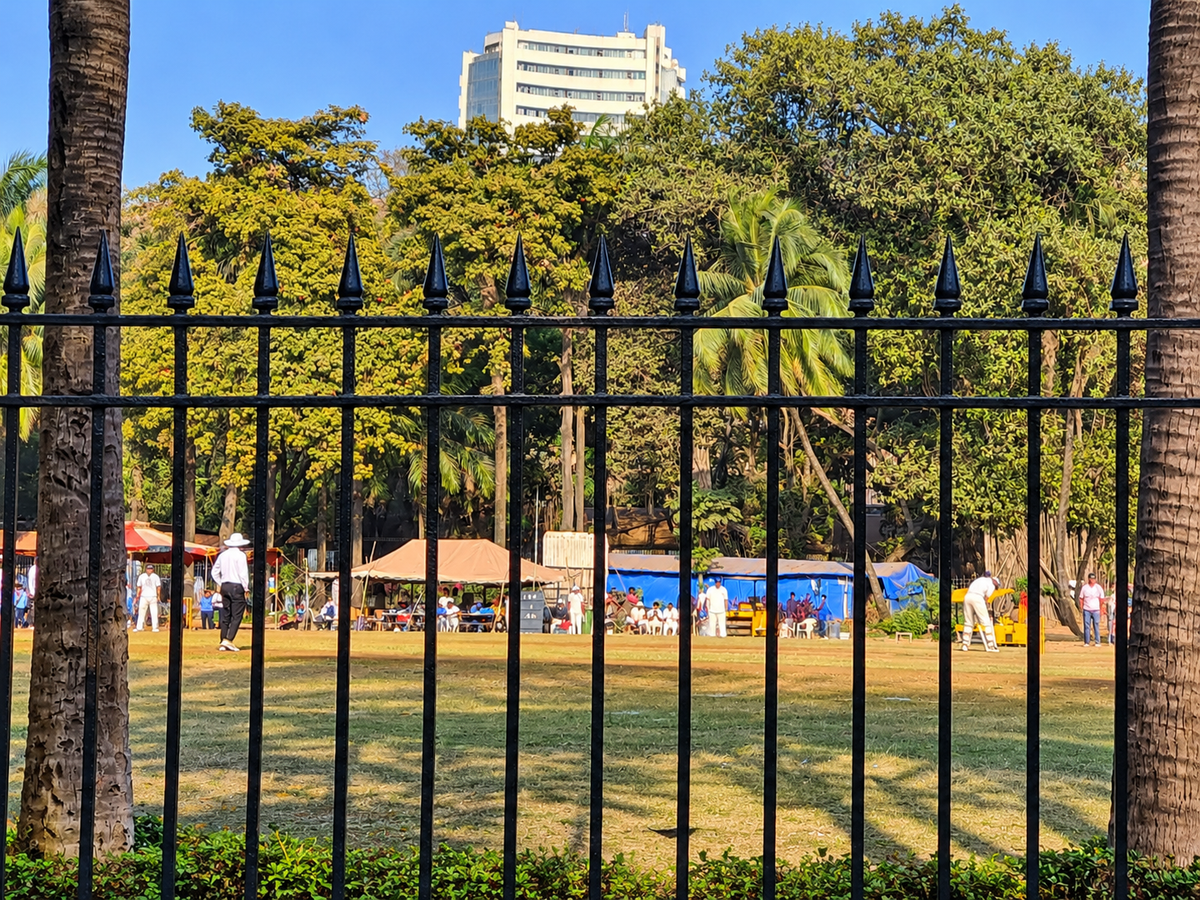
We stayed at the famous Cricket Club of India, or CCI, adjoining the historic Brabourne Stadium.
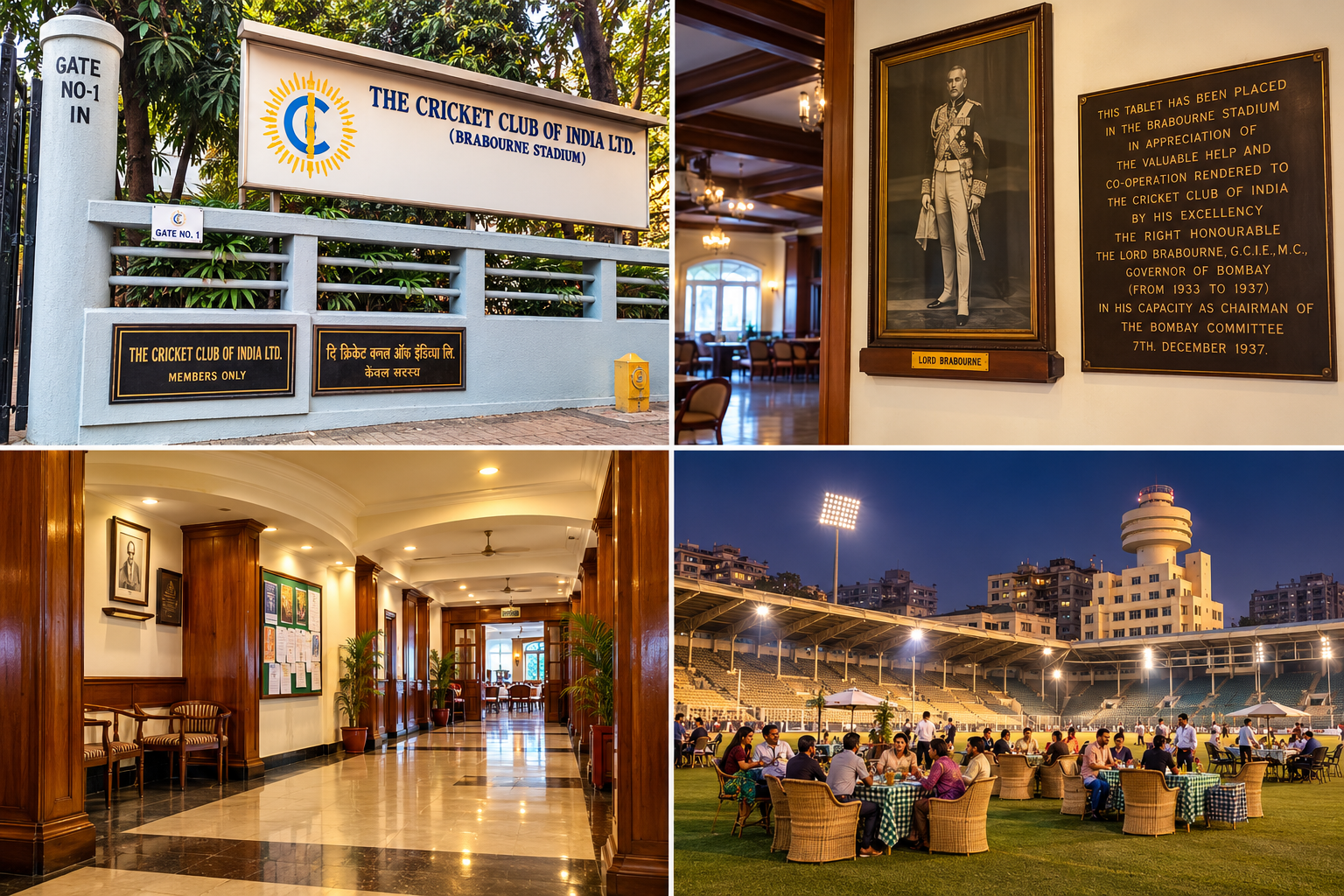
Walking into the clubhouse was like stepping into another era.
Wood-panelled walls, portraits of cricketing legends, elegant dining rooms and memorabilia dating back to the early twentieth century gave the place an unmistakably colonial atmosphere.
The Brabourne Stadium itself had hosted some of the great matches in Indian cricket history.
For someone who had grown up idolising cricketers, it was a magical place.
I returned to the CCI several times over the years, most recently with my mother in 2023.
That visit was particularly nostalgic.
I remember sitting on the lawns enjoying tea and delicious Indian savoury snacks, watching the world go by.
In the evenings, we would relax in the clubhouse lounge while a young pianist entertained guests with popular tunes on a magnificent grand piano.
Dinner was an equally memorable experience.
White linen tablecloths, gleaming cutlery, fine china and impeccably dressed waiters created an atmosphere reminiscent of a bygone age.
Occasionally, we would encounter old friends of my parents, who gathered at the club to play cards, exchange gossip and generally put the world to rights.
It was all rather splendid.
One could almost imagine a distinguished English gentleman appearing in a linen suit, ordering a gin and tonic and discussing the finer points of the leg-before-wicket rule.
Thankfully, the food was considerably more interesting than traditional English boarding-school fare!
Cricket — India's Other Religion
During my visits to Hyderabad throughout the 1980s and 1990s, I was constantly struck by the extraordinary passion Indians had for cricket.
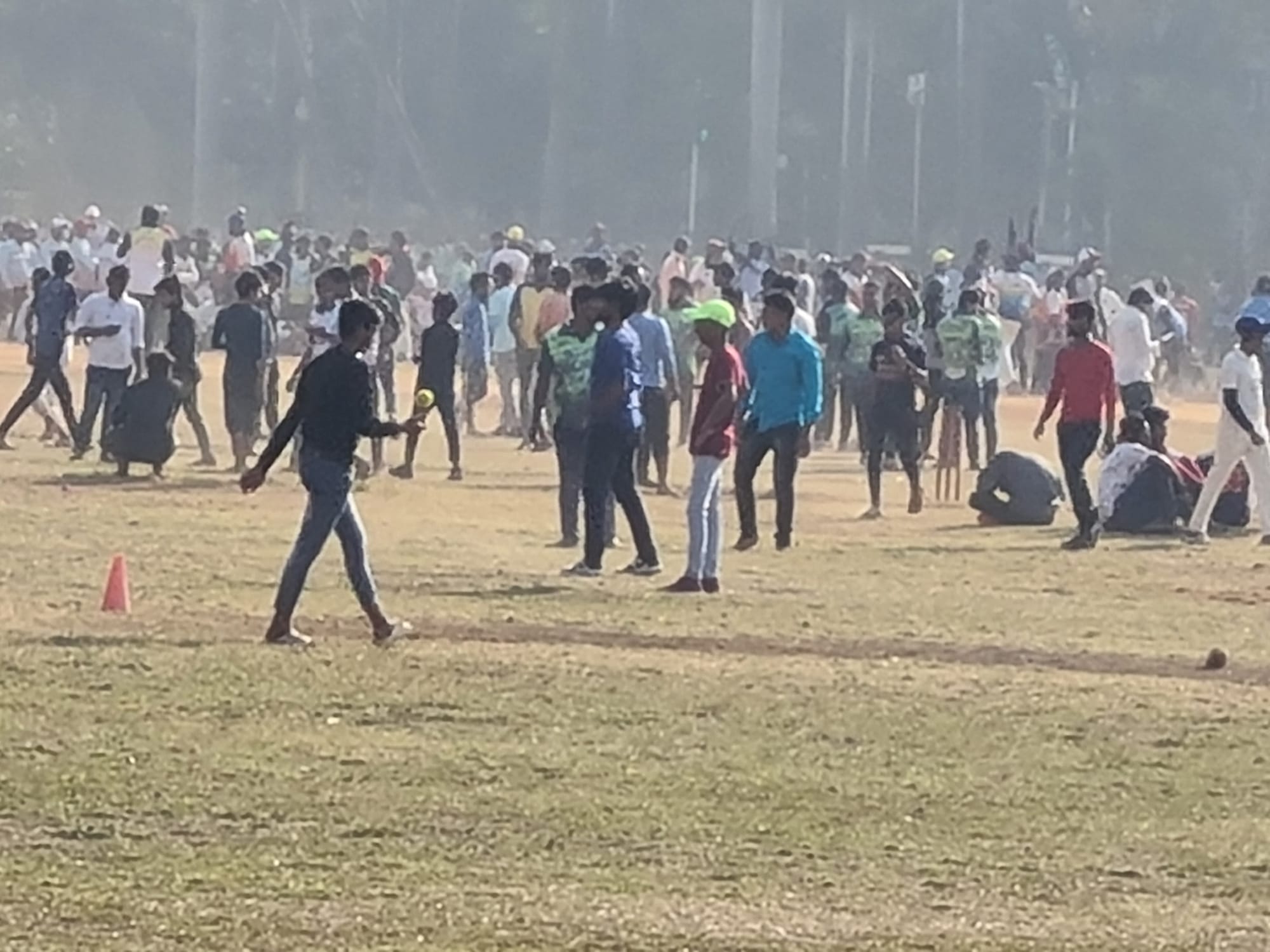
Everywhere I looked, youngsters were playing.
On public parks, dusty patches of land, narrow streets and any available open space, makeshift cricket matches were taking place.
A few bricks served as wickets, a battered bat was passed between players, and disputes over whether someone was out could rival the most heated parliamentary debate.
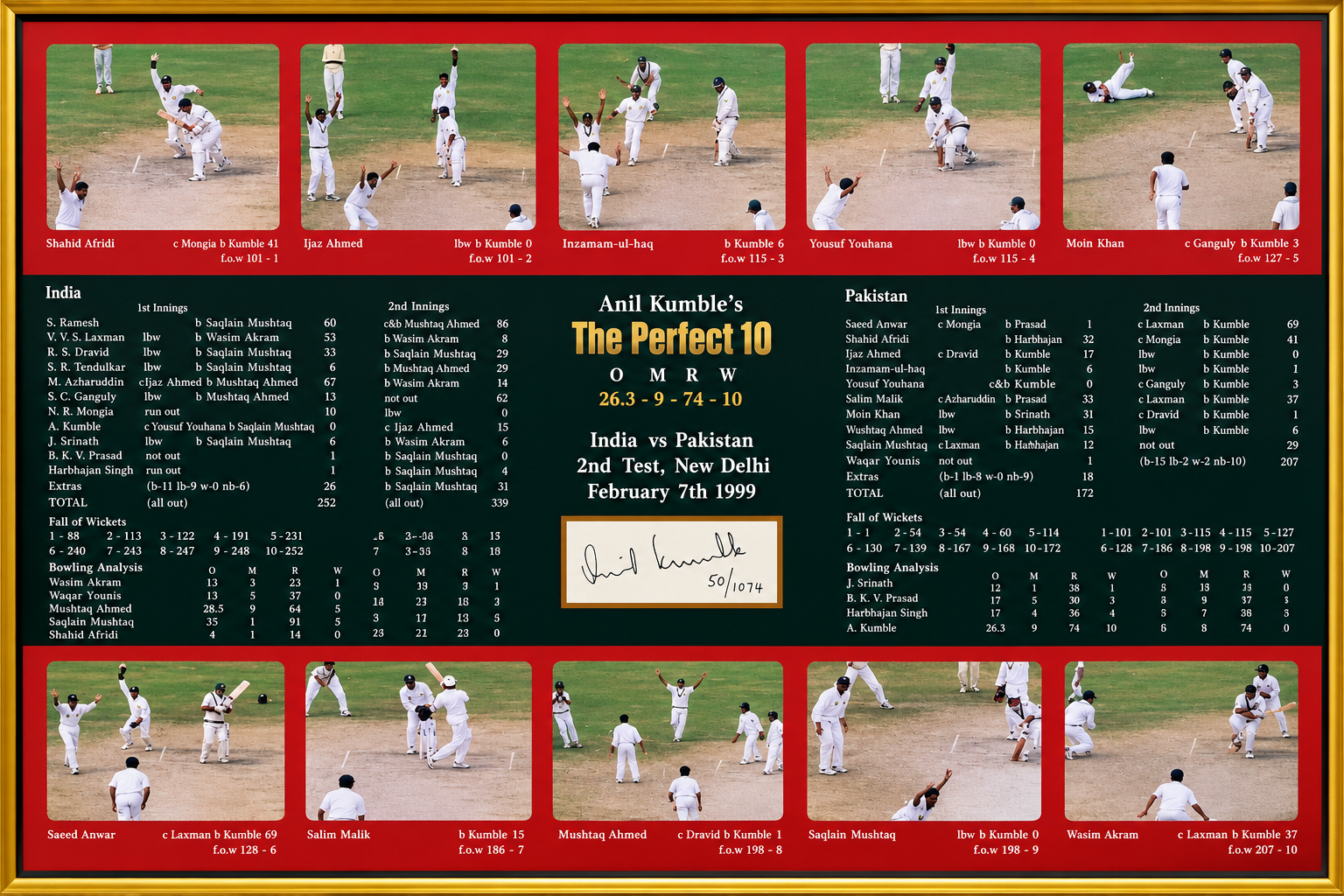
India produced some extraordinary cricketers during those decades, including Sunil Gavaskar, Kapil Dev, Sachin Tendulkar, Mohammed Azhruddin, Ravi Shastri, Rahul Dravid and Anil Kumble.
And, of course, the rivalry between India and Pakistan added another dimension to the sport.
When those two countries met, cricket became far more than a game.
It was a matter of national pride, passionate loyalties and, occasionally, family arguments that were best avoided at the dinner table!
The 1992 World Cup — A Five-Star Cricket Experience!
One particularly memorable occasion came in 1992, when Pakistan faced England in the Cricket World Cup final at the Melbourne Cricket Ground.
At the time, I was living in York.
The match began at an ungodly hour in the United Kingdom, around four in the morning, and was being broadcast on Sky television.
There was just one small problem.
I didn't have Sky!
Fortunately, a good friend of mine happened to be the General Manager of the York Railway Hotel.
When I explained my predicament, he very generously offered me a complimentary room so that I could watch the match.
Imagine that.
A comfortable hotel bedroom, live World Cup cricket and absolutely no need to get dressed!
Pakistan, captained by the charismatic Imran Khan, went on to defeat England and lift the trophy.
To make the occasion even more memorable, I enjoyed a delicious room-service breakfast.
I have watched many cricket matches over the years, but few have come with such excellent hospitality.
Perhaps the England players would have appreciated a similar arrangement after their defeat!
Rostherne — A Return to the Crease
By the late 1990s, my professional career had taken me to different parts of Britain, leaving little opportunity to play cricket regularly.
Then, in 1999, something unexpected happened.
I was living in Altrincham, South Manchester, when a good friend of Ruth, who would later become my wife, invited us to a village fair in Rostherne.
Rostherne is a delightful Cheshire village near Tatton Park, with charming cottages, beautiful countryside and a picturesque mere.
Our friend's mother, Molly, had lived in the village for many years.
Molly was a parish councillor and a formidable character who seemed to know absolutely everyone.
The local vicar, his wife, the villagers and probably every dog and cat in Rostherne appeared to be on her extensive social network.
She was a modern-day Miss Marple, although I suspect even Agatha Christie's famous detective would have struggled to keep up with her!
At the village fair, Molly introduced me to members of Rostherne Cricket Club.
The club had been established for more than a century and was looking for new players.
Would I be interested in joining?
After years away from competitive cricket, the temptation was irresistible.
Sadly, there was no lucrative transfer fee, signing bonus or sponsorship deal.
Just an invitation to turn up and play!
A Wedding, Two Teams and a Cricket Match!
Cricket wasn't always about league fixtures, batting averages or the occasional elusive victory. Sometimes it provided the perfect excuse for a bit of fun.
During the 1990s, Ruth and I were invited to a friend's wedding in Salisbury. The groom, Tom, was a keen cricketer and clearly wasn't content with just the usual wedding celebrations.
He had arranged a friendly cricket match for the following day — the Groom's XI versus the Bride's XI!
Quite how the teams were selected, or whether any serious thought went into their respective cricketing abilities, I cannot now remember. But it was certainly an entertaining occasion.
There were the inevitable mishaps, a few questionable umpiring decisions and plenty of laughter. I suspect some players were still recovering from the previous day's festivities!
For once, nobody seemed particularly concerned about batting averages, bowling figures or even the final result.
It was a wonderful reminder that cricket was never just about winning. It was also about friendship, camaraderie and sharing a few laughs, even at a wedding!
A Rusty Batsman and a Leaky Pavilion
Before making my debut, I joined the lads for pre-season practice nets at Old Trafford Cricket Ground.
It quickly became apparent that the passing years had not been particularly kind to my cricketing abilities.
My batting was rusty, my right shoulder was weak, and throwing a cricket ball any considerable distance was becoming something of an engineering challenge.
Nevertheless, I decided to give it a go.
I purchased a new pair of cricket whites and, for the first time, a protective helmet.
The helmet looked as though it belonged to an American football player rather than an English village cricketer.
But having witnessed the West Indian fast bowlers of the 1970s, I was not about to take any unnecessary chances!
Then I saw the clubhouse.
To describe it as basic would have been generous.
The roof leaked, there was no proper running water, and the toilet facilities left much to be desired.
I began to wonder what on earth I had let myself in for.
There was also the small matter of providing teas for home matches.
Unlike the grand cricket clubs I had visited in my youth, Rostherne did not have an army of willing volunteers preparing cucumber sandwiches and freshly baked cakes.
Instead, the players took turns.
Our culinary offerings usually consisted of shop-bought meat pies, quiches, crisps, cakes and the occasional homemade sandwich.
It was hardly the Cricket Club of India.
But at least nobody went hungry!
Cricket, Cheshire Countryside and the Occasional Missing Box
Despite the rather primitive facilities, Rostherne had one enormous advantage.
Its location was absolutely beautiful.
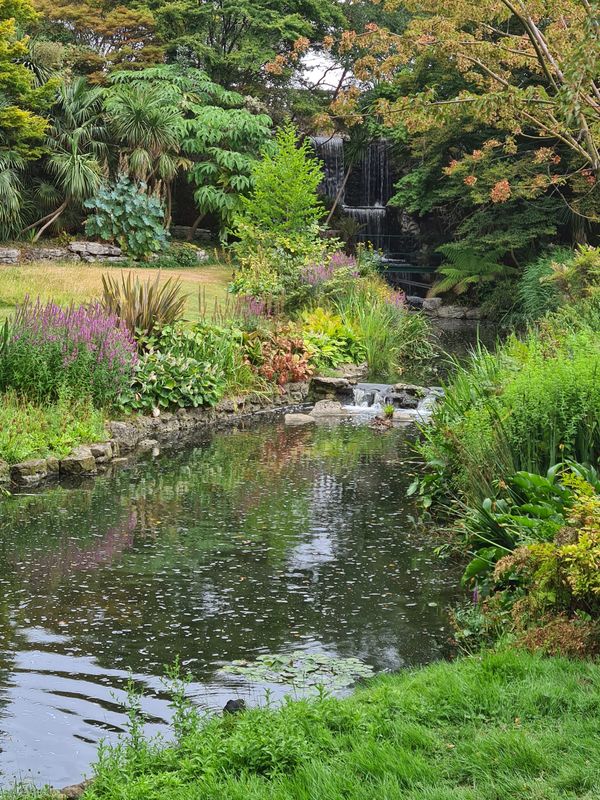
The ground overlooked Rostherne Mere and the surrounding Cheshire countryside.
On a warm summer Saturday, with the sound of leather striking willow drifting across the village, it was the quintessential English cricket scene.
A handful of villagers would occasionally wander down to watch us play.
The nearby woodland was carpeted with bluebells in early summer, while the mere attracted a remarkable variety of birds, including migrating swans.
There was even a birdwatching hide where enthusiasts could sit patiently for hours hoping to spot something unusual.
Personally, I preferred cricket.
At least when nothing happened on the field, there was always the possibility of a cup of tea!
Our matches in the lower Cheshire leagues were rarely dull.
Someone invariably forgot an essential piece of kit; trousers, boots, batting pads or, most alarmingly, a protective box.
Scoring duties were another perennial problem.
Nobody particularly wanted to do the job, which occasionally led to spirited debates when the final scores were suspiciously close.
And as for sledging, the art of distracting opposing players with carefully chosen remarks, I am convinced some of my teammates regarded it as an essential part of their cricketing repertoire.
Our cricket may not have reached international standards, but our ability to exchange verbal pleasantries with the opposition was certainly impressive!
Molly would regularly appear at the start of home matches, usually armed with the latest village gossip.
She was a wonderful supporter of the club and took great delight in seeing cricket remain part of village life.
From Opening Batsman to Club Chairman — How Did That Happen?
As the seasons progressed, I became increasingly concerned about the condition of our clubhouse.
If we ever hoped to progress into the higher Cheshire leagues, we needed facilities that met the required standards.
And frankly, even if promotion remained a distant dream, a watertight roof and a functioning toilet seemed perfectly reasonable ambitions!
I began raising the issue with fellow club members.
Eventually, someone suggested that perhaps I should take responsibility for sorting it out.
Before I knew what had happened, I had also been invited to become club chairman.
A clever manoeuvre by my teammates, I thought.
They had managed to find someone willing to organise the fundraising, manage the building improvements and take responsibility for the club.
And all without paying a penny in consultancy fees!
Nevertheless, I accepted the challenge.
Having been involved in community projects and fundraising before, I saw an opportunity to do something that extended beyond cricket.
I wanted the restoration of the pavilion to become a genuine village project, bringing together players, local residents and businesses.
Molly was delighted.
At last, she had someone else to help rally the village!
The £300 Sheep-Shearer's Cabin
Fundraising for a small village cricket club was never going to be straightforward.
We approached local businesses, the council, supporters and anyone else who might be persuaded to contribute.
Then came one of the more unusual fundraising opportunities I have encountered.
Lying abandoned in the overgrown grass beside the pavilion were the remains of an old sheep-shearer's cabin undercarriage.
To most people, it looked like a rather large piece of unwanted agricultural junk.
But one person's rubbish is another person's treasure.
We advertised it on eBay.
To our amazement, a collector from Gloucester was interested.
He drove all the way up to Cheshire to collect the enormous contraption and handed over £300 in cash.
I have raised money for many charitable and community causes over the years, but selling an old sheep-shearer's cabin remains one of my more unconventional fundraising achievements!
The £300 was a welcome start.
We also secured a modest local authority grant, donations from local businesses and generous contributions in kind.
Our landlord agreed to pay for the installation of a waste sump to improve the toilet facilities, while a direct mains water supply was installed.
Club members and villagers rolled up their sleeves to repair, decorate and refurbish the pavilion.
The leaking roof was finally made watertight.
Over approximately twelve months, we raised more than £10,000 in financial and in-kind support.
For a small village cricket club, it was a remarkable achievement.
And it demonstrated something I have come to believe strongly throughout my life: when people share a common purpose, even modest resources can achieve extraordinary results.
A Cricketing Legend Opens Our New Pavilion
Having completed the refurbishment, we decided that the occasion deserved a proper celebration.
We organised a village barbecue and an Under-11 cricket tournament involving boys' teams from South Manchester.
Through my previous professional connections, I persuaded Habib Bank to sponsor the tournament.
But I wanted something else to make the occasion truly memorable.
A special guest.
And not just any guest.
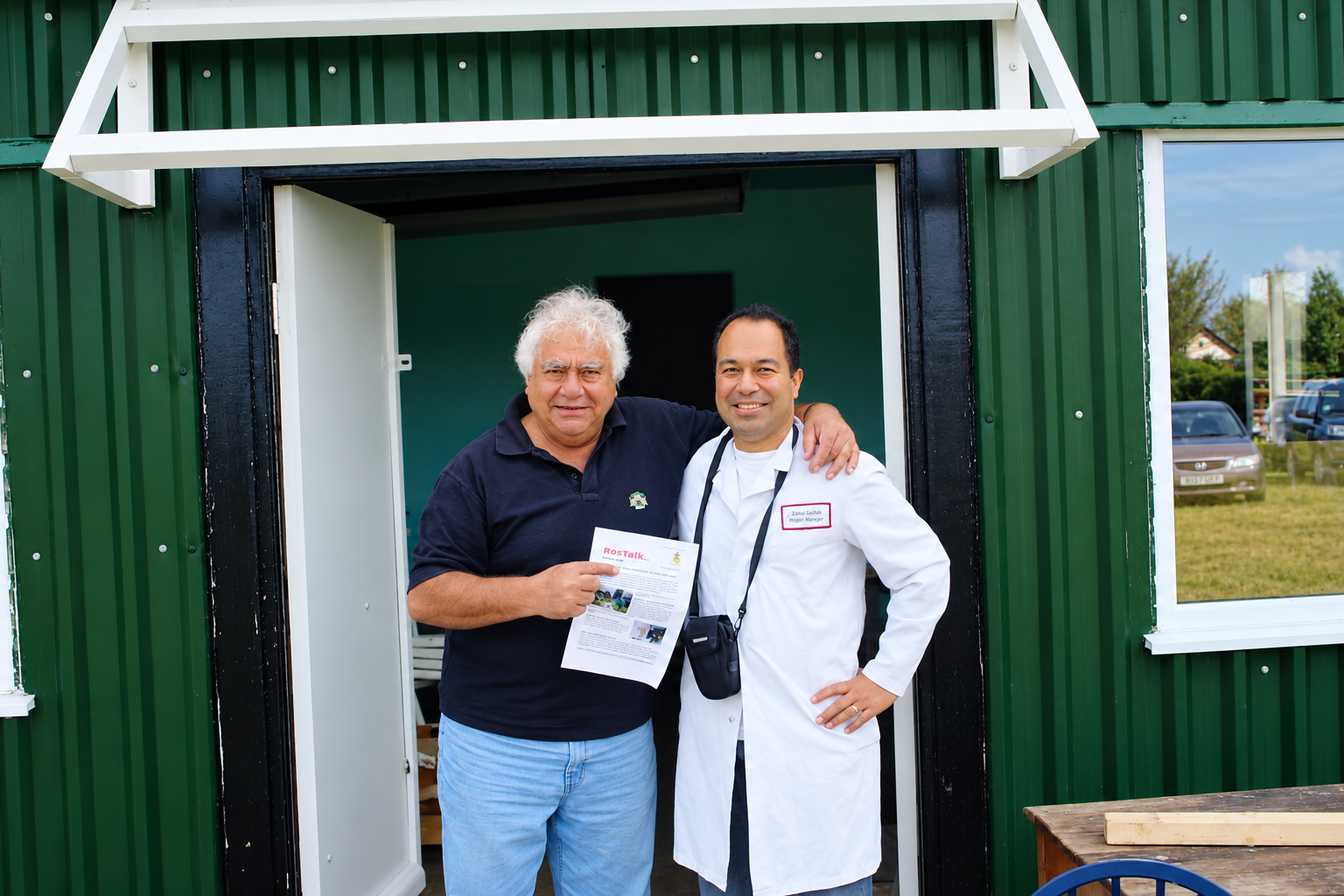
I approached Farokh Engineer, the legendary Indian and Lancashire Test cricketer and wicketkeeper, who lived near Rostherne.
To my delight, he agreed to officially reopen the pavilion.
For someone who had spent his youth watching international cricket and collecting players' autographs, this was a wonderful moment.
Farokh, looking a little more generously proportioned than in his playing days, was as charming as ever.
To commemorate the occasion, we commissioned a local woodcarver to produce an enormous cricket bat.
Farokh signed it, and it was proudly displayed inside the refurbished clubhouse.
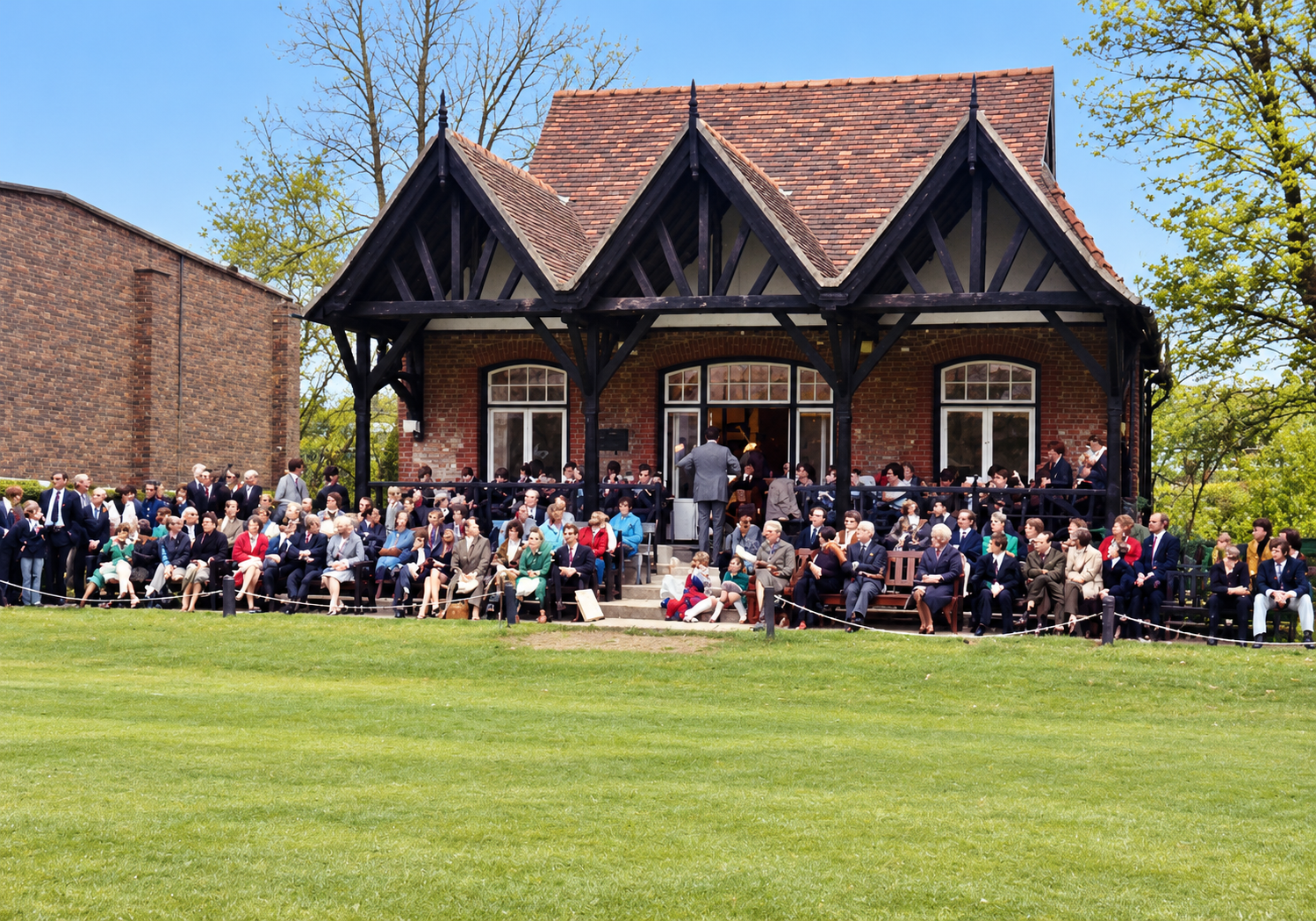
Nearly 200 people attended the celebration.
There were families, villagers, young cricketers, club members, supporters and local friends.
The atmosphere was fantastic.
Looking around that afternoon, I felt a tremendous sense of satisfaction.
What had started as a rather neglected pavilion with a leaking roof had become a welcoming community facility.
And perhaps, more importantly, the project had brought people together.
It was never simply about repairing a building.
It was about giving a small village cricket club a renewed sense of pride and belonging.
Although I must admit, having proper toilets was a considerable bonus!
The Unsung Hero of Rostherne Cricket Club
No recollection of my cricketing days at Rostherne would be complete without mentioning Bob, one of those wonderful characters who kept village cricket alive.
Bob was our unofficial groundsman, although I suspect that description hardly did justice to the hours he devoted to looking after our cricket pitch and outfield.
Armed with the club's rather ancient tractor, he would spend hours rolling the wicket, raking the ground and cutting the grass. On Saturday mornings, long before the players arrived for a home fixture, Bob would already be there, making sure everything was ready.
During the long summer evenings, you could often find him pottering around the ground with his faithful dog keeping him company.
He took enormous pride in producing a decent playing surface for us. Sadly, despite his best efforts, our performances didn't always do justice to the quality of the pitch!
Perhaps we should have spent less time blaming the wicket and more time practising our batting. Hmm!
But what made Bob particularly remarkable was his profession away from cricket. His day job involved making prosthetic limbs for NHS patients who had lost their own.
Here was a man who spent his working days helping people regain their mobility and independence, yet still found the time and energy to devote countless unpaid hours to his local cricket club.
Looking back, I realise that people like Bob were the real backbone of village cricket. While the players might occasionally enjoy a moment of glory, it was the quiet dedication of volunteers like him that made it possible for the rest of us to play.
And, unlike some of our batting performances, Bob's contribution was always dependable!
Hanging Up My Cricket Boots
The seasons rolled on, and I continued playing in the lower Cheshire leagues.
My dreams of becoming the next Gary Sobers had long since disappeared, but the enjoyment of playing remained.
Then, in 2008, the birth of our daughter Ruby brought a wonderful new chapter into my life.
With a young family, spending entire Saturdays playing cricket became increasingly difficult.
It would hardly have been fair to leave Ruth managing everything at home while I disappeared for the day, hoping to score a respectable twenty runs!
So, reluctantly, I decided to hang up my cricket boots.
My bat, pads and helmet were eventually relegated to the garage, where they gathered dust alongside other relics of my sporting ambitions.
When Two Cricketing Legends Almost Met!
Some years after moving back to Altrincham, I discovered that I was sharing a local gym with none other than Waqar Younis, the legendary Pakistani fast bowler who had also played for Lancashire.
Our paths crossed on a couple of occasions. Once while I was working out in the gym and another time as I was leaving the car park. Sadly, neither encounter resulted in a conversation. Perhaps he was too busy maintaining his famous bowling fitness, while I was concentrating on maintaining some semblance of mine!
Not long afterwards, I understand he moved back to the Middle East.
I have often wondered whether Altrincham was simply too small a town to accommodate two aspiring cricketing superstars using the same gym!
Of course, one of us had taken hundreds of international wickets. The other was still dreaming of cricketing glory at village level.
I'll leave you to work out which was which!
Mystic Molly and My 50th Birthday
Although my playing days had ended, my association with Rostherne Cricket Club continued.
In 2010, I celebrated my 50th birthday at the clubhouse on a glorious summer afternoon, surrounded by family and friends.
It seemed a fitting venue, given the years I had spent playing there and helping restore the pavilion.
And, of course, Molly was there.
But she did not arrive in her usual role as village gossip correspondent.
Oh no!
On this occasion, she appeared dressed in a mysterious dark flowing outfit and headscarf, installed herself inside a tent and began offering guests fortune-telling sessions using tea leaves.
Mystic Meg had arrived in Rostherne!
I have no idea what predictions she made that afternoon.
Perhaps she foresaw England winning another Ashes series, the rise of Twenty20 cricket or my eventual retirement from the crease.
Whatever she told my guests, they seemed thoroughly entertained.
Molly was certainly one of those unforgettable characters who made village life so special.
Cricket Today — Where Have All the White Flannels Gone?
These days, my involvement with cricket is largely confined to watching Test match highlights, One Day Internationals and, somewhat reluctantly, The Hundred on television.
I appreciate that cricket has to evolve to attract younger audiences.
Shorter formats, coloured kits, floodlights, loud music and spectacular entertainment have undoubtedly brought new followers to the sport.
People now refer to red ball and white ball games. But I sometimes wonder whether something has been lost along the way.
The cricket I fell in love with was about more than sixes, advertising contracts and celebrity players.
It was about patience, teamwork, character, sportsmanship and the shared experience of watching a game unfold over an afternoon.
It was about sitting among West Indian supporters at The Oval, enjoying tea at the Cricket Club of India, listening to Molly's latest village gossip and watching young boys play cricket on a beautiful summer's day in Rostherne.
Above all, it was about the people.
Looking back, my cricketing journey has taken me across three continents and introduced me to some extraordinary characters.
I never became a great batsman.
I certainly never troubled the selectors at Lord's.
But I did have the privilege of watching some of the finest cricketers in history, sharing wonderful moments with friends and family, and helping breathe new life into a small village cricket club.
And that, I think, is a pretty respectable innings.
As for the modern game, I shall continue watching, occasionally grumbling at the latest innovations and remembering the magnificent West Indies teams of my youth.
Now, could someone please bring back those glorious Caribbean fast bowlers and perhaps a proper cricket tea while we're at it!